Mung mot (the first) and ngay ram (the fifteenth) are the two days each lunar month when Hanoi’s pagodas and temples fill with incense smoke and people making offerings. The dates shift against the solar calendar every month. Arriving before 7am or after 8pm is the difference between a five-minute visit and a standing queue at the busiest sites.
What mung mot and ngay ram actually mark
Hanoi runs on two calendars at once. The solar calendar sets office hours, school terms and flight schedules. The lunar calendar sets the ritual one. It tells a household when ancestors are owed incense, when a guardian spirit is owed a debt, and when a pagoda expects a crowd.
Mung mot (Mùng Một) is day one of the lunar month, timed to the new moon. Ngay ram (Ngày Rằm) is day fifteen, timed to the full moon. Vietnamese Buddhist and folk-religious practice treats both as visiting days. People light incense and leave a small offering of fruit or flowers. What chùa, đền and đình actually mean is worth reading first, since the three words point to different kinds of building and this article uses all three.
Why the solar date moves every month
A lunar month runs from new moon to new moon, roughly twenty-nine and a half days. Because that is shorter than a solar month, mung mot lands ten to eleven days earlier on the Gregorian calendar each time. Every two to three years, an extra lunar month is inserted to keep the calendar from drifting into the wrong season. That leap month pushes every mung mot and ram after it a full lunar month later than a simple count would suggest. The Vietnam National Space Center, part of the Vietnam Academy of Science and Technology, calculates the official Vietnamese lunar calendar each year, including where that leap month falls.
One lunar year, worked out
The table below works through one specific lunar year: the one beginning with Tet on 29 January 2025. That year includes a leap sixth month and runs into February 2026. It shows the pattern, including the size of the jump when a leap month lands. It is not a promise good for every later year. Confirm the current year’s dates against an official Vietnamese lunar calendar before planning a visit, and check which free Hanoi sights keep fixed hours if the same trip is doing other things.
- Month 1 — Mung Mot 29 Jan 2025, Ngay Ram 12 Feb 2025
- Month 2 — Mung Mot 27 Feb 2025, Ngay Ram 13 Mar 2025
- Month 3 — Mung Mot 29 Mar 2025, Ngay Ram 12 Apr 2025
- Month 4 — Mung Mot 27 Apr 2025, Ngay Ram 11 May 2025
- Month 5 — Mung Mot 27 May 2025, Ngay Ram 10 Jun 2025
- Month 6 — Mung Mot 25 Jun 2025, Ngay Ram 9 Jul 2025
- Leap Month 6 — Mung Mot 25 Jul 2025, Ngay Ram 8 Aug 2025
- Month 7 — Mung Mot 23 Aug 2025, Ngay Ram 6 Sep 2025
- Month 8 — Mung Mot 22 Sep 2025, Ngay Ram 6 Oct 2025
- Month 9 — Mung Mot 21 Oct 2025, Ngay Ram 4 Nov 2025
- Month 10 — Mung Mot 20 Nov 2025, Ngay Ram 4 Dec 2025
- Month 11 — Mung Mot 19 Dec 2025, Ngay Ram 2 Jan 2026
- Month 12 — Mung Mot 18 Jan 2026, Ngay Ram 1 Feb 2026
The following mung mot, on 17 February 2026, opens the next lunar year and Tet itself. Each date above can be a day off against the official reckoning, because real lunar months don’t alternate 29 and 30 days as cleanly as this model assumes. Treat the list as the shape of the year. Vietnam’s national tourism portal, vietnam.travel, publishes current festival dates and is a faster check than working it out by hand.


Before 7am or after 8pm — and which pagodas actually need it
Not every site needs the same caution. Three illustrate the range.
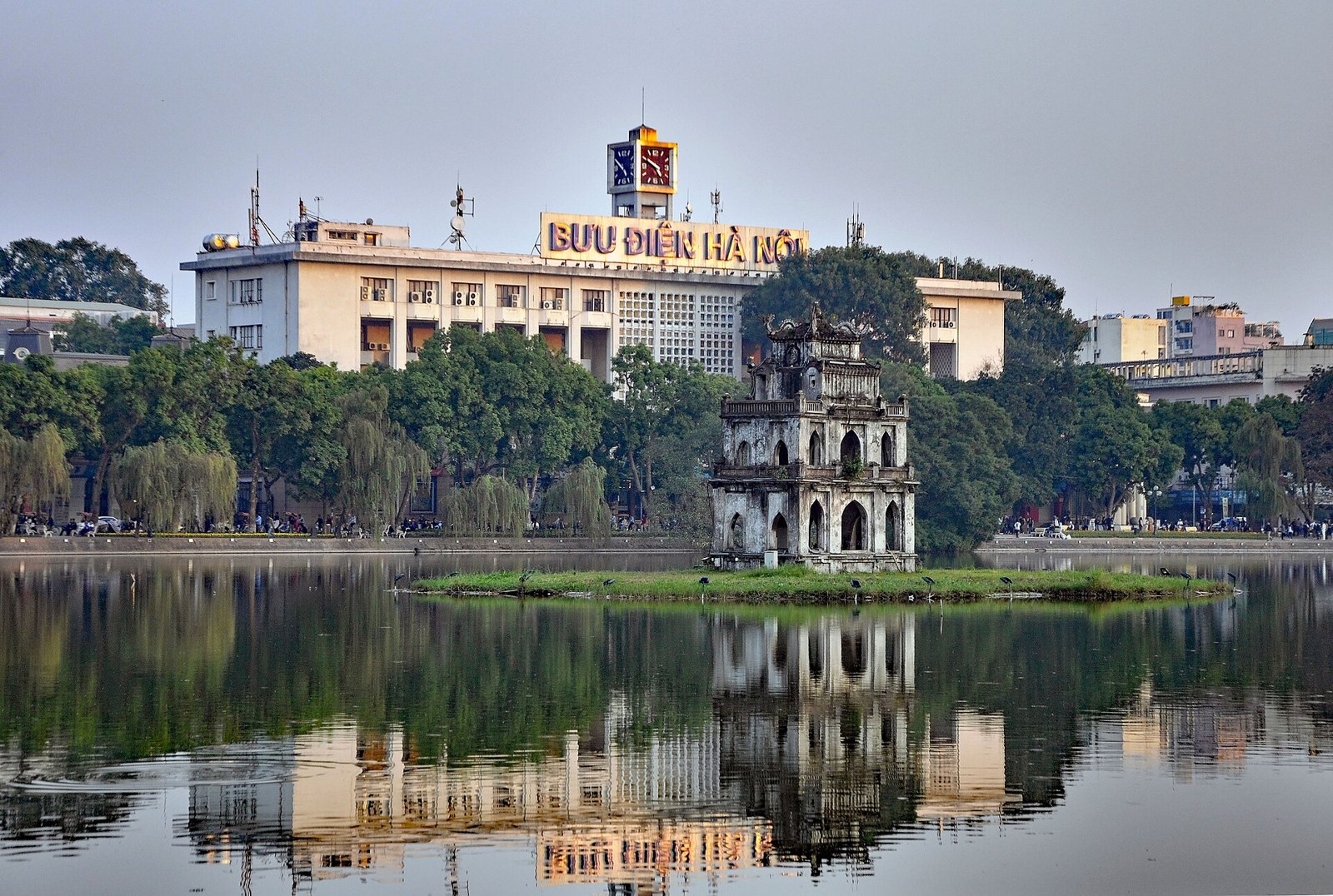
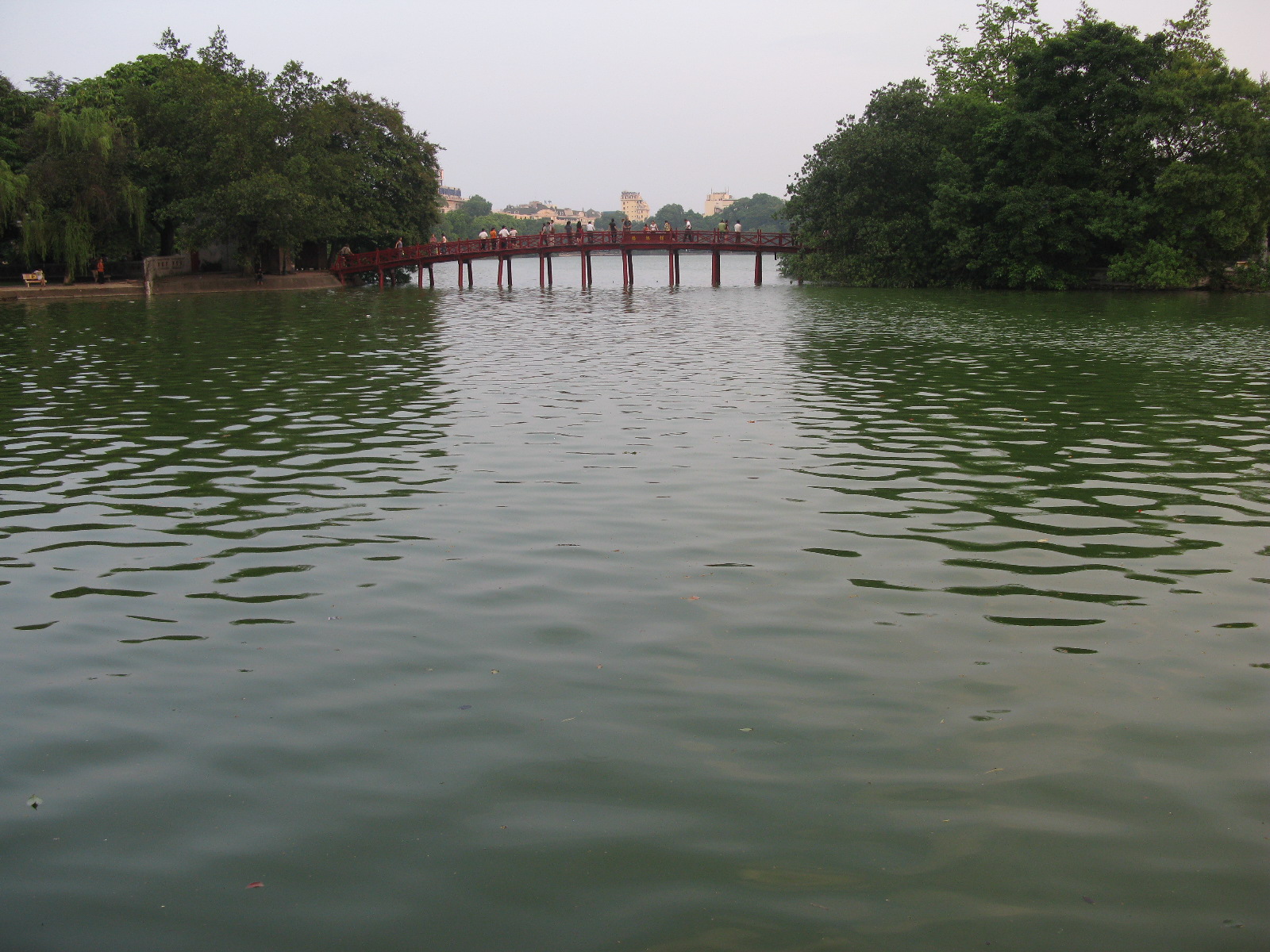
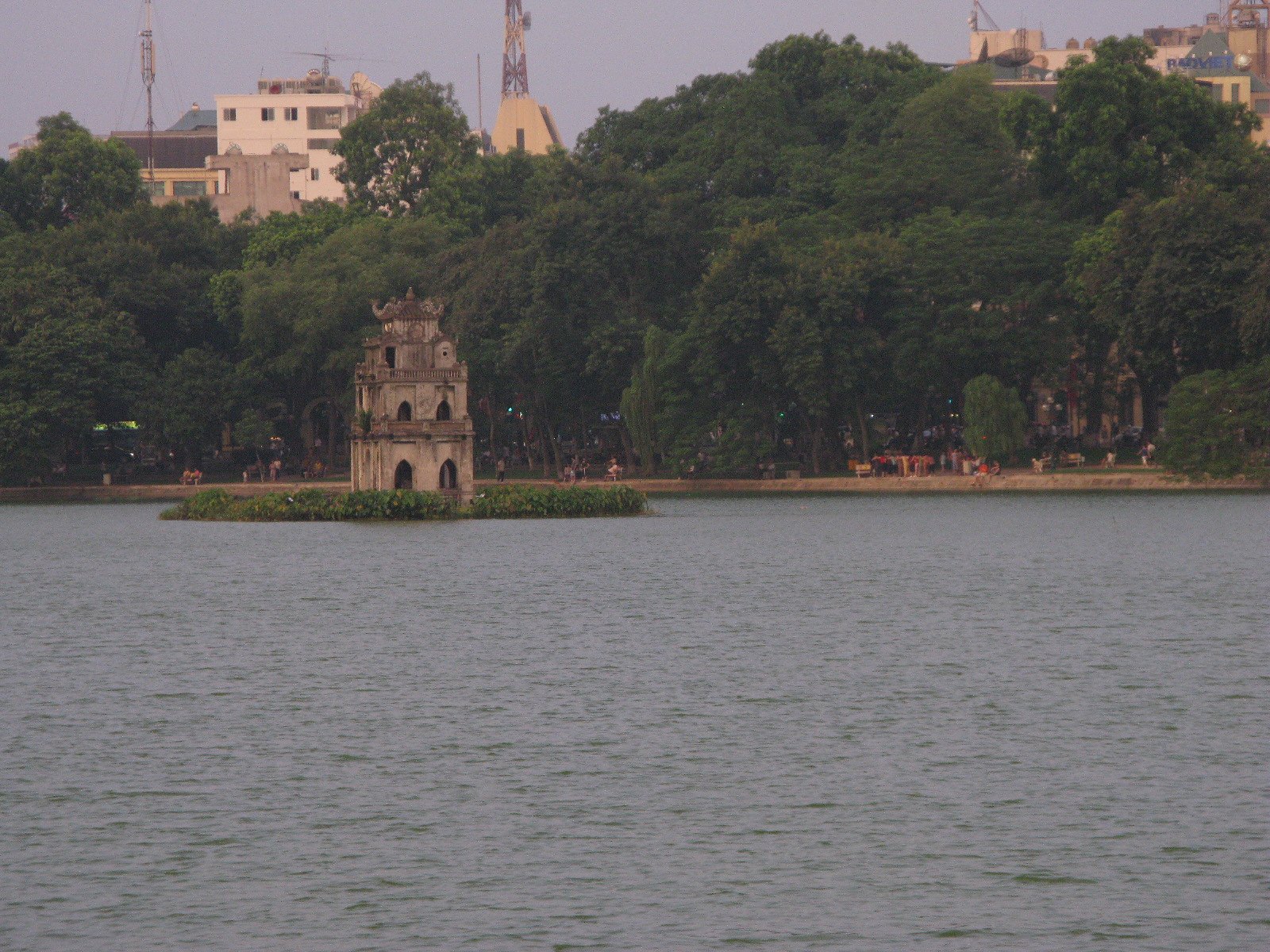
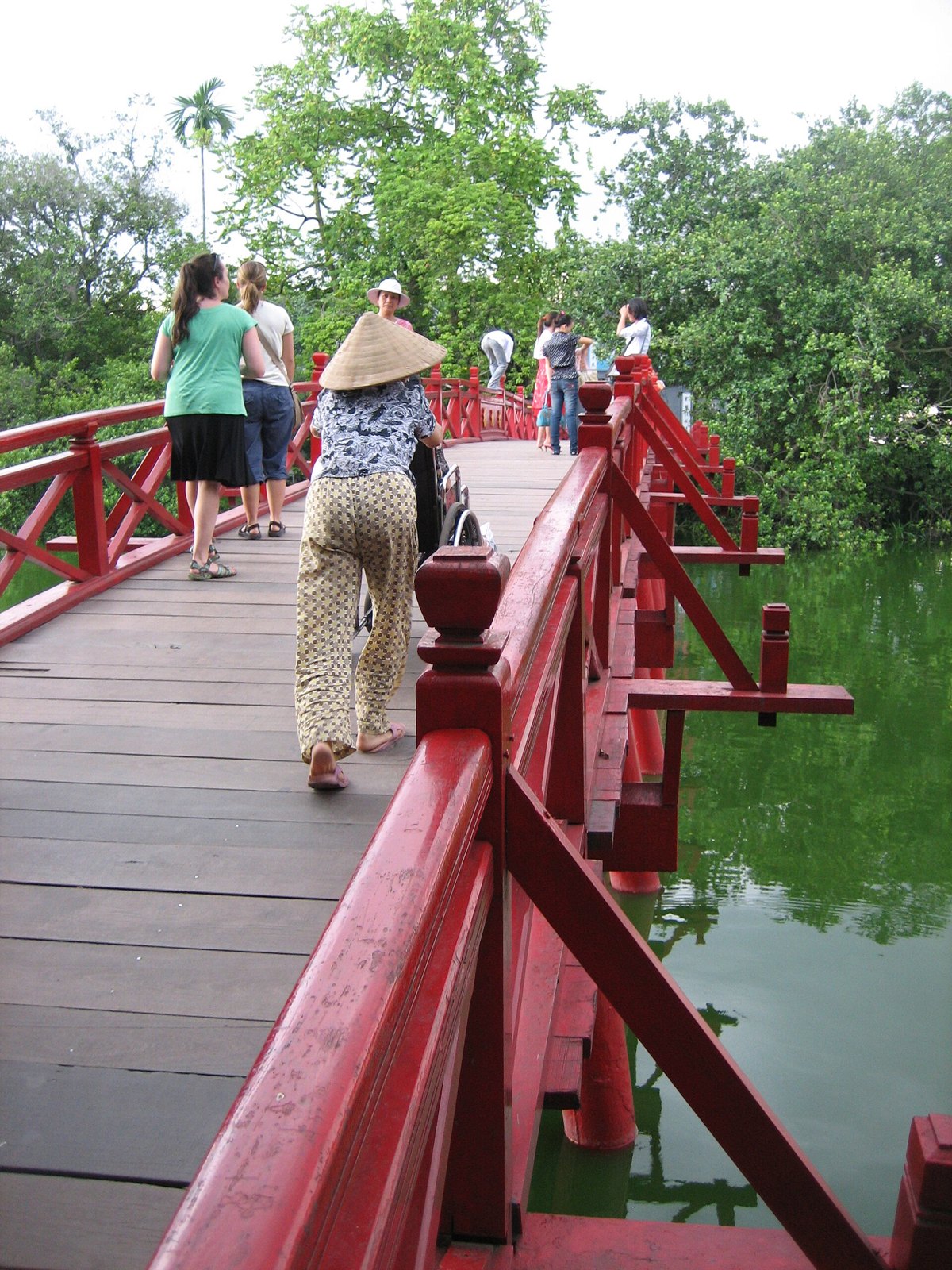
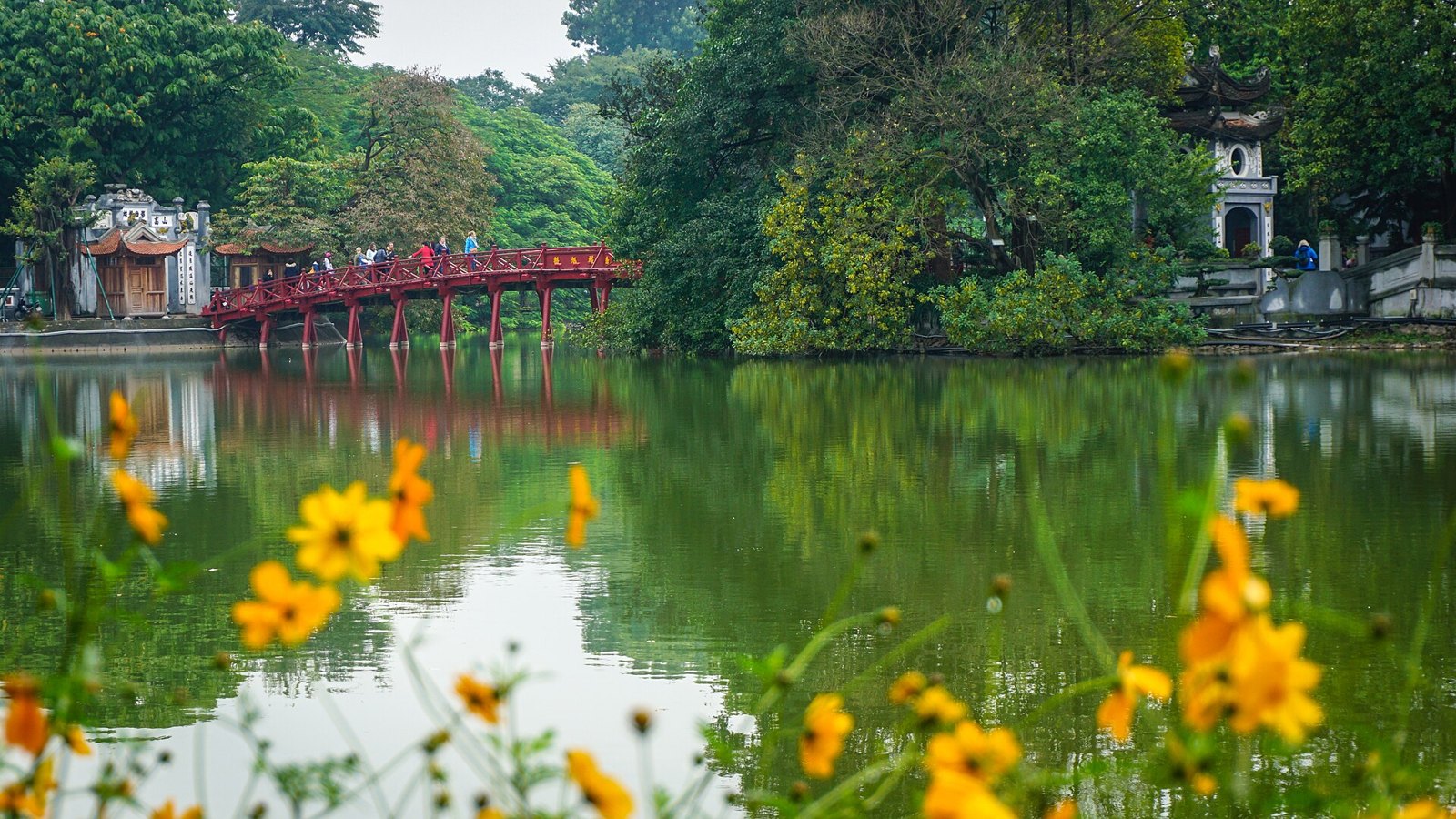
Đền Ngọc Sơn sits on a small island in Hoan Kiem lake (Hoàn Kiếm), reached only by The Huc, a narrow red wooden bridge built for one lane of foot traffic. On an ordinary day that bridge absorbs the crowd easily. On mung mot or ngay ram, a much larger share of visitors are there specifically to make an offering. The single access point turns into a queue that can stretch back along the lakeside path. Arrive before 7am, while the path still belongs to people exercising rather than queuing. Or wait until after 8pm, once the day’s main wave of worshippers has already come and gone.
Đền Quán Thánh (Quan Thanh) is different. It is one of the four sacred temples said to guard the old citadel of Thang Long (Thăng Long tứ trấn). It stands on a wide junction near Truc Bach lake, not on an island. Its courtyard and approach are broad enough to absorb a festival-day crowd without a single chokepoint. Expect more people and heavier incense smoke than usual. Expect it to stay walkable through most of the day regardless.
Chùa Trấn Quốc (Tran Quoc) sits on a small peninsula in West Lake (Tây Hồ), connected to the shore by a short causeway. National heritage listings and the pagoda’s own signage describe it as one of the oldest Buddhist pagodas in Vietnam. The causeway is wider than The Huc bridge, and the lakeside road gives people somewhere to stand once they are off it. It gets busy on these two days, visibly busier than Quan Thanh. But the open road beside the lake means the crowd spreads rather than compresses into a queue. Treat it as a middle case: comfortable before 7am or after 8pm, manageable the rest of the day if you are not in a hurry. Quan Thanh and Tran Quoc sit close enough together to combine, which Hanoi’s walkable sight clusters covers in more detail. Getting between them means crossing Thanh Nien road, and how to cross a road in Hanoi without stopping applies here as much as anywhere else.
The underlying rule is about geometry, not superstition. A site with one narrow access point reaches its limit fast. A site with open ground around it keeps absorbing people for hours. Before 7am and after 8pm work at every pagoda in the city on these two days. At Ngoc Son specifically, they are close to the only comfortable options.
What to actually do once you’re there
The core action on both days is simple. Light incense, place it in the burner provided, and leave a small offering — usually fruit, flowers or a packaged sweet — on the table rather than directly on a shrine. Photographing the altar itself, rather than the room around it, is generally discouraged. The four rules actually enforced at Hanoi’s temples and pagodas ranks them by how strictly staff apply them, and what to wear for the mausoleum, the cathedral and the pagodas covers the baseline: shoulders and knees covered at all three sites above.
Cash offerings, where made, go into the box provided rather than to a person. Small denominations are customary. Vietnamese dong runs to six figures, and the 20,000 and 500,000 notes are both blue polymer, so count the zeros, not the color, if you’re breaking a note nearby — a full comparison of the two notes is worth a look before any trip that involves cash.
Vietnam’s wider tradition of spirit worship around these dates includes Đạo Mẫu, the worship of Mother Goddesses, which UNESCO inscribed on its list of intangible cultural heritage in 2016 — documented on UNESCO’s own register of inscribed practices. A visit on mung mot or ngay ram is a narrow, practical encounter with a much larger and older system of practice than any single building can show.



Access Hanoi is an independent guide written from published, checkable sources. We have not visited the places described here and we do not publish personal recommendations or invented ‘local favorites’ — where something is singled out as notable, we say who says so. Opening times, fares, closures and prices change at short notice, so treat everything here as a starting point and confirm with the museum, operator or venue directly before building a day around it. We give no advice on visas, insurance, health or safety; use your own government’s official guidance for those.
Featured image: Photo by P. Hughes, source, CC BY 4.0
