Access HanoiHà Nội · Hanoi

Temples & Pagodas

Đền & chùa · TEMPLE AND PAGODA

Chua, den and dinh are three different things. Almost all are free, and four rules cover how to behave in every one of them.

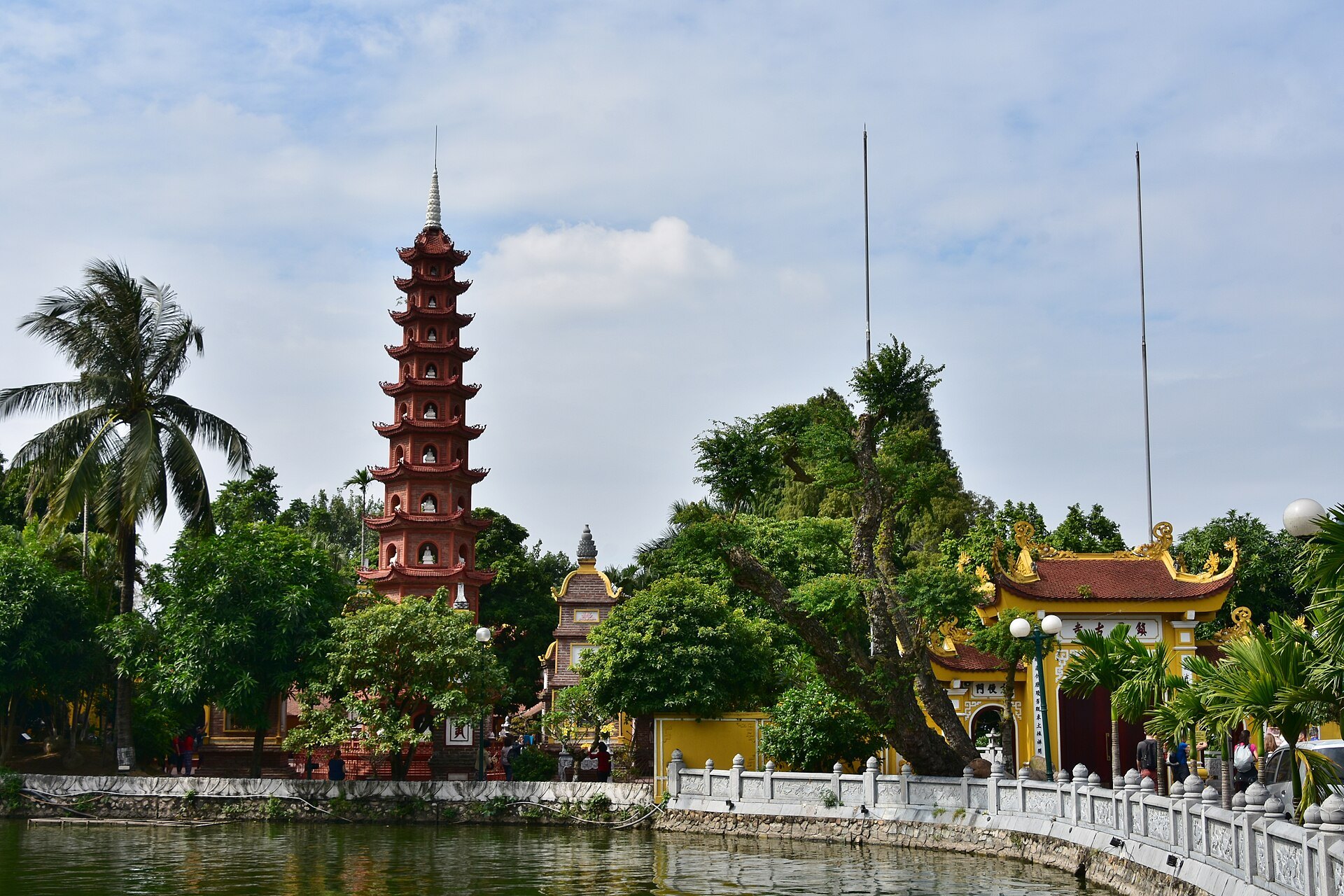
Tran Quoc Pagoda rising in tiers beside West Lake
Photograph by Richard Mortel from Riyadh, Saudi Arabia, Wikimedia Commons, CC BY 2.0
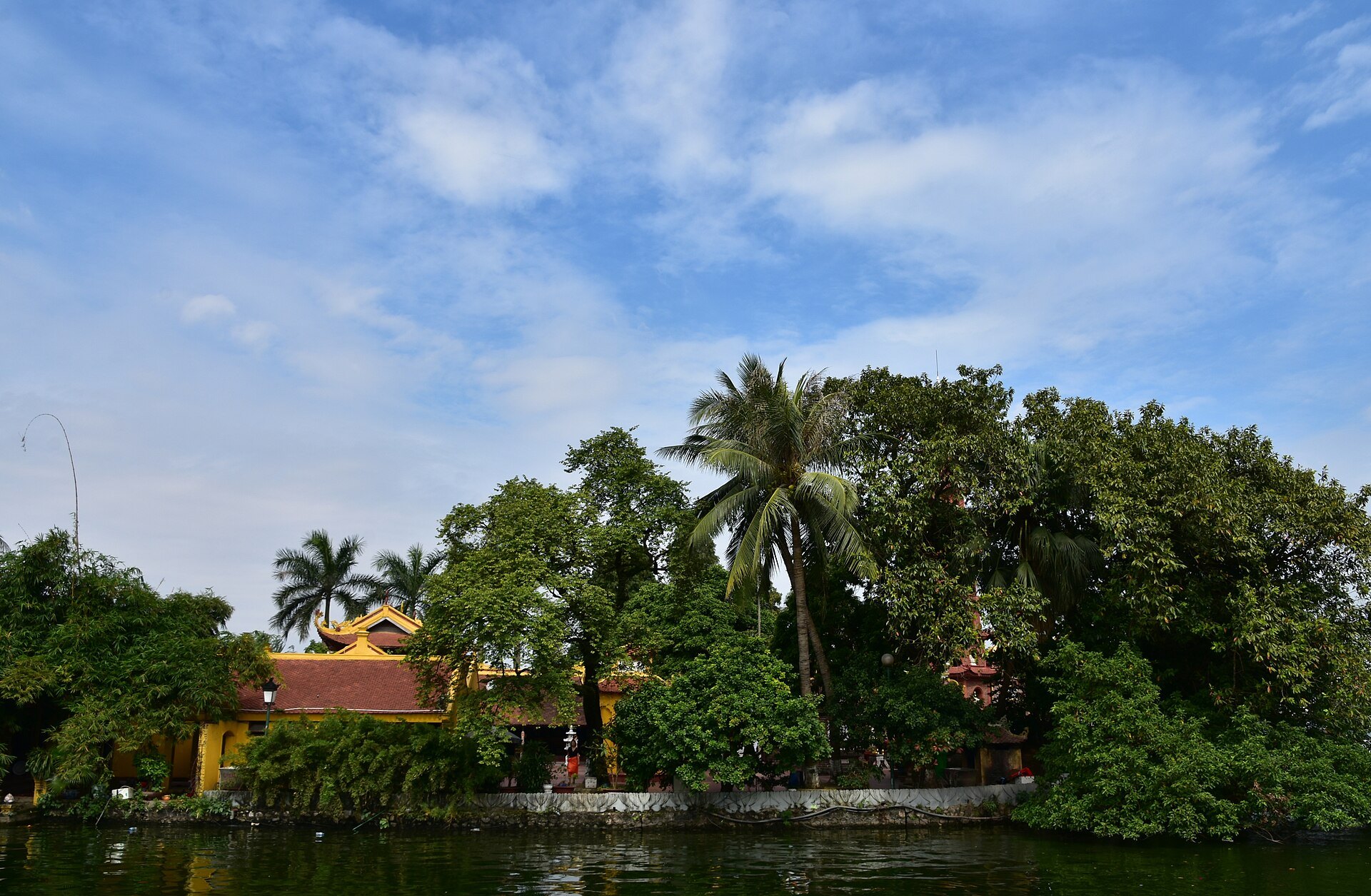
The pagoda seen through palms from the lakeside
Photograph by Richard Mortel from Riyadh, Saudi Arabia, Wikimedia Commons, CC BY 2.0

Three religions on the same street, and mostly free

A Vietnamese chùa is a Buddhist pagoda; a đền is a temple to a person, a hero or a deity; a đình is a communal house belonging to a village or a street. Hanoi has all three within a few hundred metres of each other, plus a Taoist temple guarding the north of the old capital and a Catholic cathedral in the middle of it.

Almost none of them charge. Tran Quoc, the One Pillar Pagoda and Quan Thanh are free; Ngoc Son, on its island in the lake, is the one that takes a ticket.

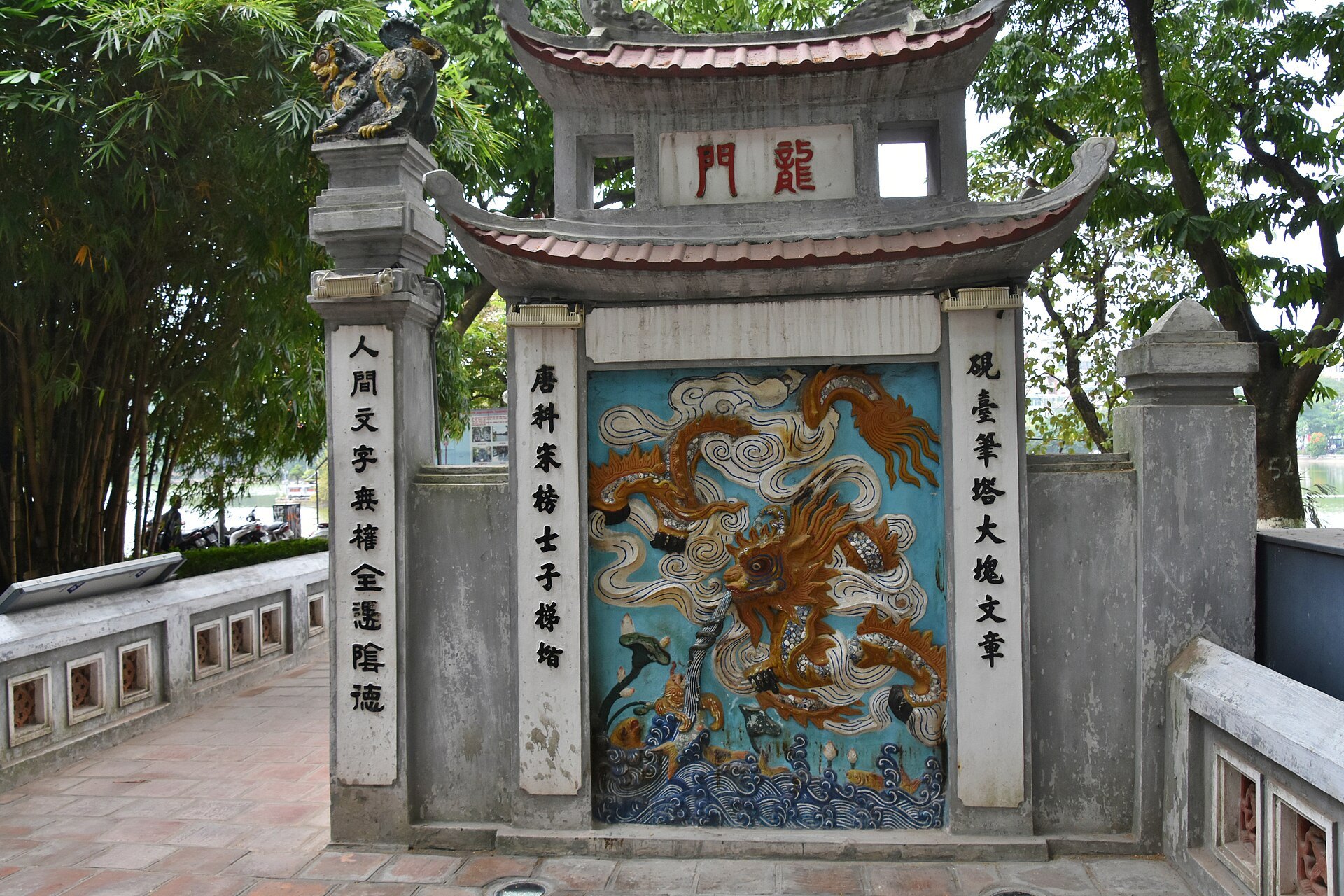
The ornate entrance gate to Ngoc Son Temple with its painted panels
Photograph by Richard Mortel from Riyadh, Saudi Arabia, Wikimedia Commons, CC BY 2.0

How to behave, in four lines

  • Shoulders and knees covered. A scarf in the bag solves this for the whole trip.
  • Shoes off where the mats start, not at the outer gate. Watch what everyone else has done.
  • Step over the threshold beam, not on it.
  • Do not photograph people praying, and do not photograph up at an altar with someone in front of it. The buildings are fair game; the worship is not.

⭐ If you want to make an offering, buy the incense at the gate rather than bringing your own, and take the number of sticks the person ahead of you took.

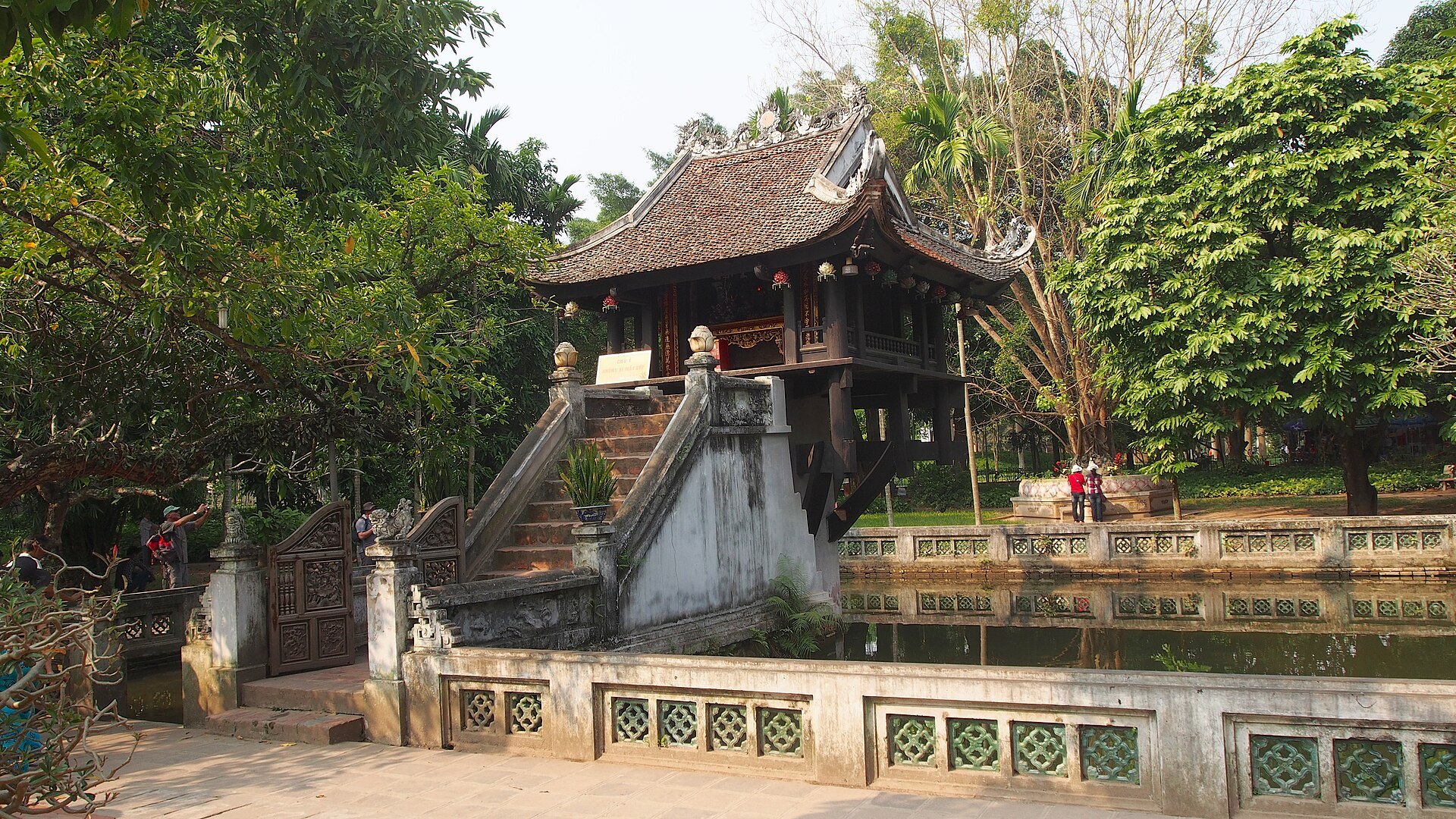
The steps up to the One Pillar Pagoda from the surrounding garden
Photograph by Clay Gilliland, Wikimedia Commons, CC BY-SA 2.0

When to go

The first and fifteenth days of the lunar month are the busy ones, and Tết — the lunar new year — fills every temple in the city and empties every shop. If you are here for it, go: it is the best week of the year to see these places used rather than visited. Just do not expect to eat in the Old Quarter.

Otherwise: early. The stupa on West Lake at sunset is the photograph; the courtyard behind it at eight in the morning is the visit.

Quan Thanh and the Four Temples That Guarded Thang Long
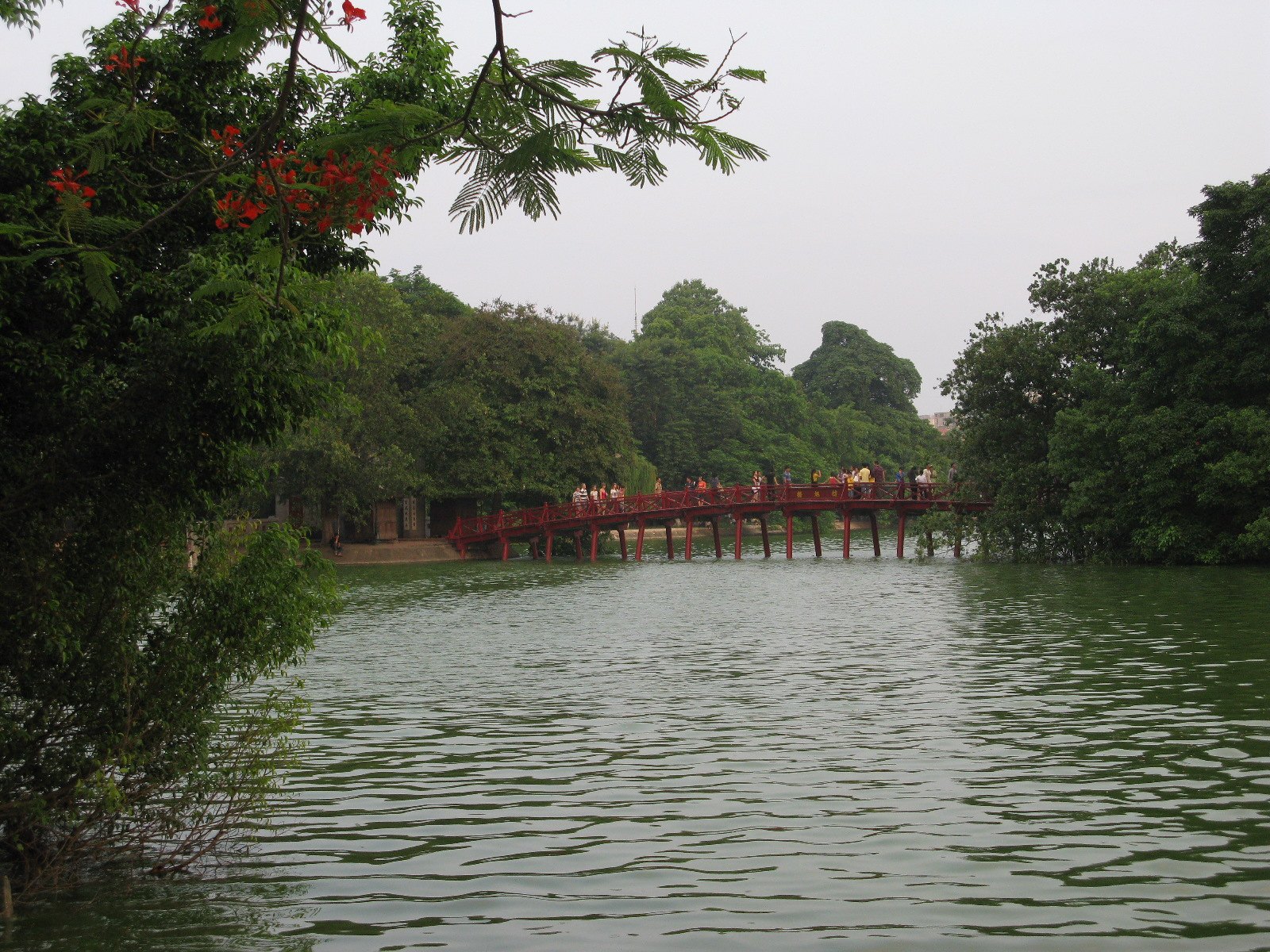
Hoan Kiem Lake, Hanoi

What the four guardian temples actually are Hanoi’s founding myth assigns one temple to each compass point of the old citadel of Thang Long, each holding a spirit believed to protect the city from that direction: Quan Thanh (Đền Quán Thánh) to the north, Bach Ma (Đền Bạch Mã) to the east, Voi Phuc (Đền … Read more
The First and Fifteenth: Visiting Hanoi on a Lunar Festival Day

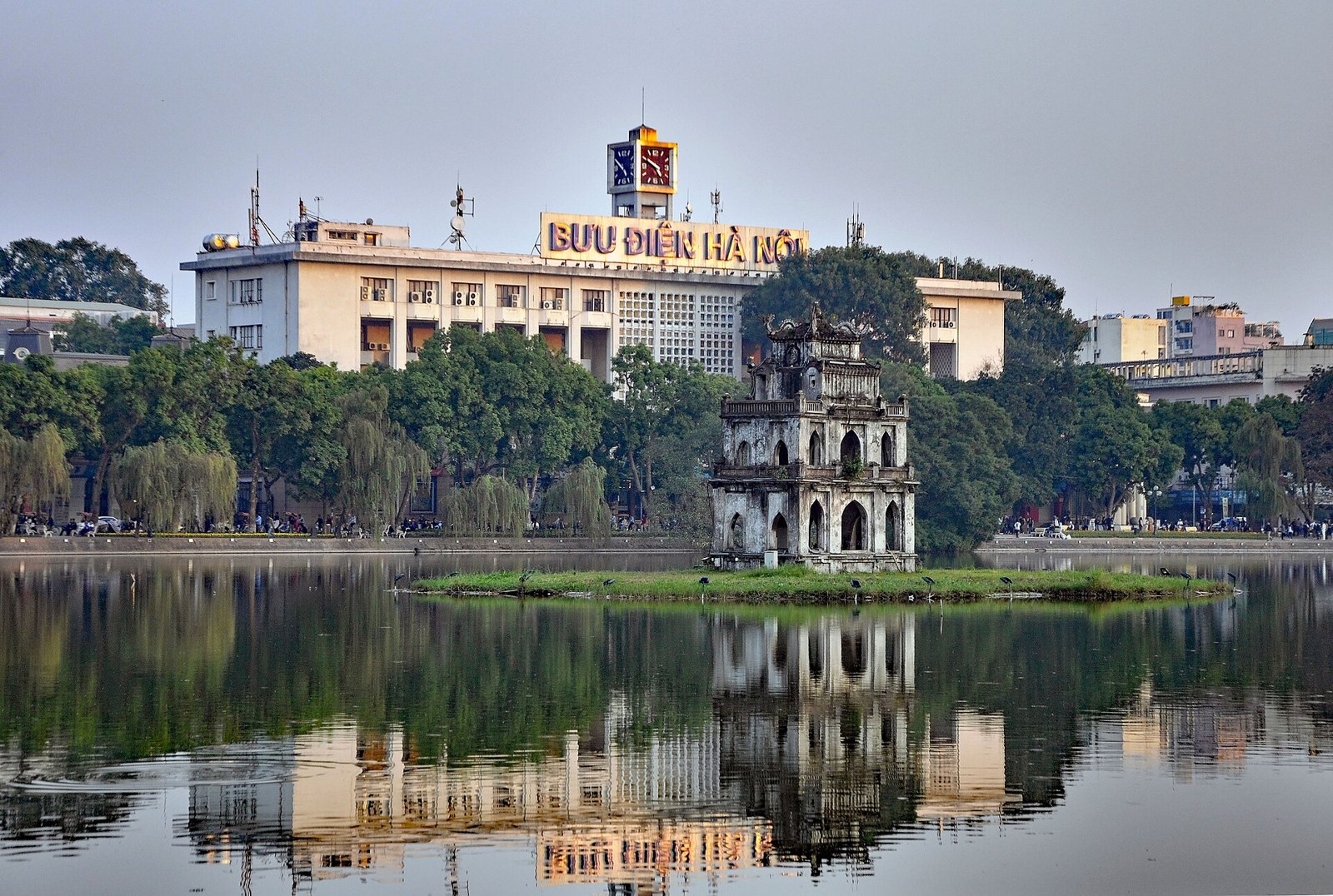
Hanoi Turtle Tower (Tháp Rùa), Hoàn Kiếm Lake

Mung mot (the first) and ngay ram (the fifteenth) are the two days each lunar month when Hanoi’s pagodas and temples fill with incense smoke and people making offerings. The dates shift against the solar calendar every month. Arriving before 7am or after 8pm is the difference between a five-minute visit and a standing queue … Read more

Temple Etiquette in Hanoi: The Four Rules, Ranked by Enforcement

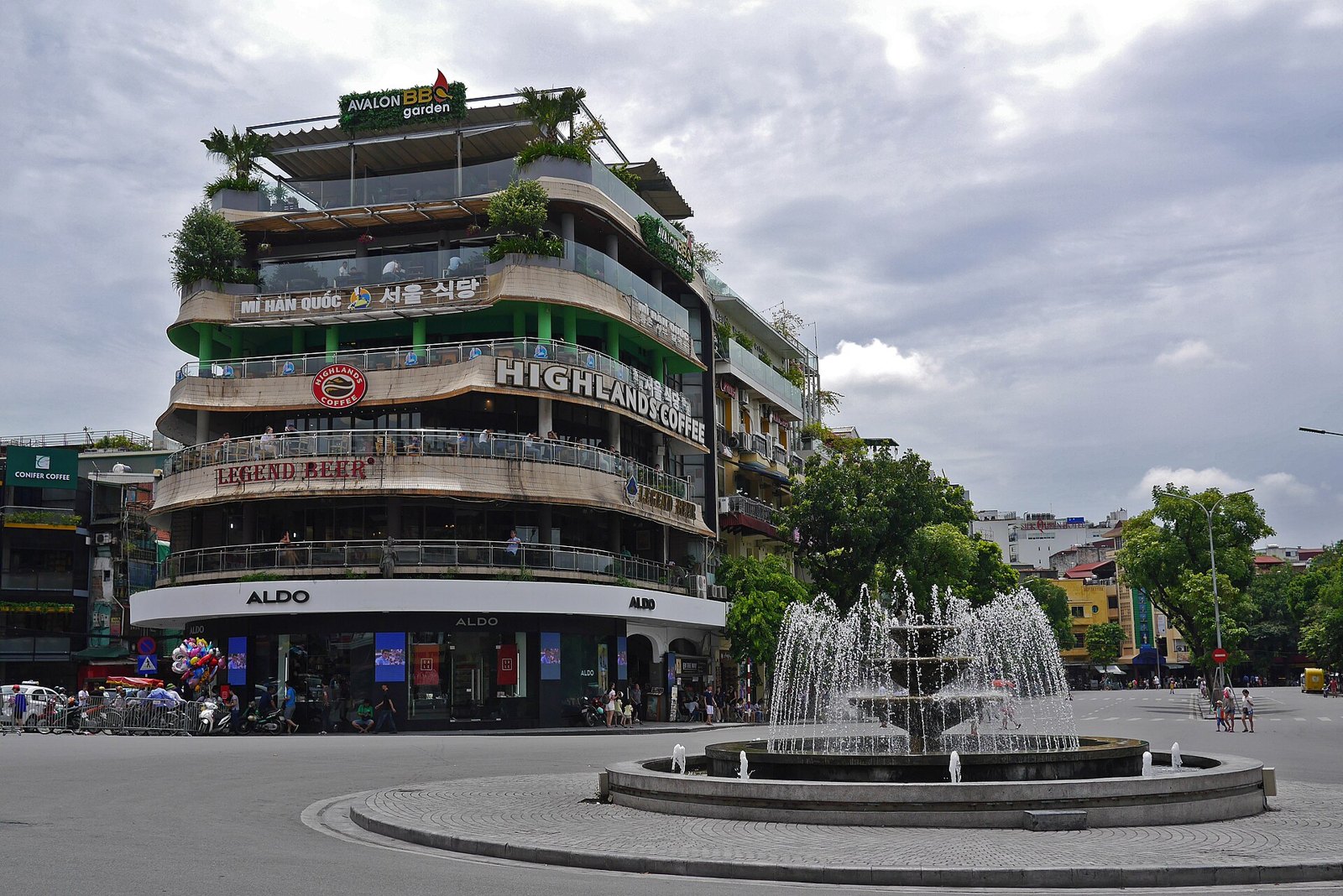
Hanoi Fountain near Hoàn Kiếm Lake

Four rules cover almost every situation a visitor meets at a temple or pagoda in Hanoi: shoulders and knees stay covered, shoes come off before certain thresholds, feet don’t point at the altar, and voices and hands stay quiet and still. What matters, and what most guides leave out, is that only two of those … Read more

Chùa, Đền, Đình: What the Three Words Actually Mean

Hoan Kiem Lake, Hanoi

Chùa, đền and đình are three different kinds of building, not three ways of saying “temple”. A chùa is Buddhist. A đền honours a deified person — historical or legendary. A đình is a village’s communal house, built around a guardian spirit. The words name who or what a building was built to worship. They … Read more

We do not book anything. Access Hanoi is a guide. It sells nothing, takes no bookings or reservations, handles no payments, and holds no tickets, rooms or seats. Some links here lead to travel companies, and some of those are affiliate links that may earn this site a commission at no extra cost to you. Any booking you make is a contract between you and that company, under its own terms, prices and cancellation rules. We are not a party to it and have no responsibility for it — including availability, prices, changes, cancellations, refunds or anything that goes wrong on the trip. Check the details with the company before you pay.