.jpg)
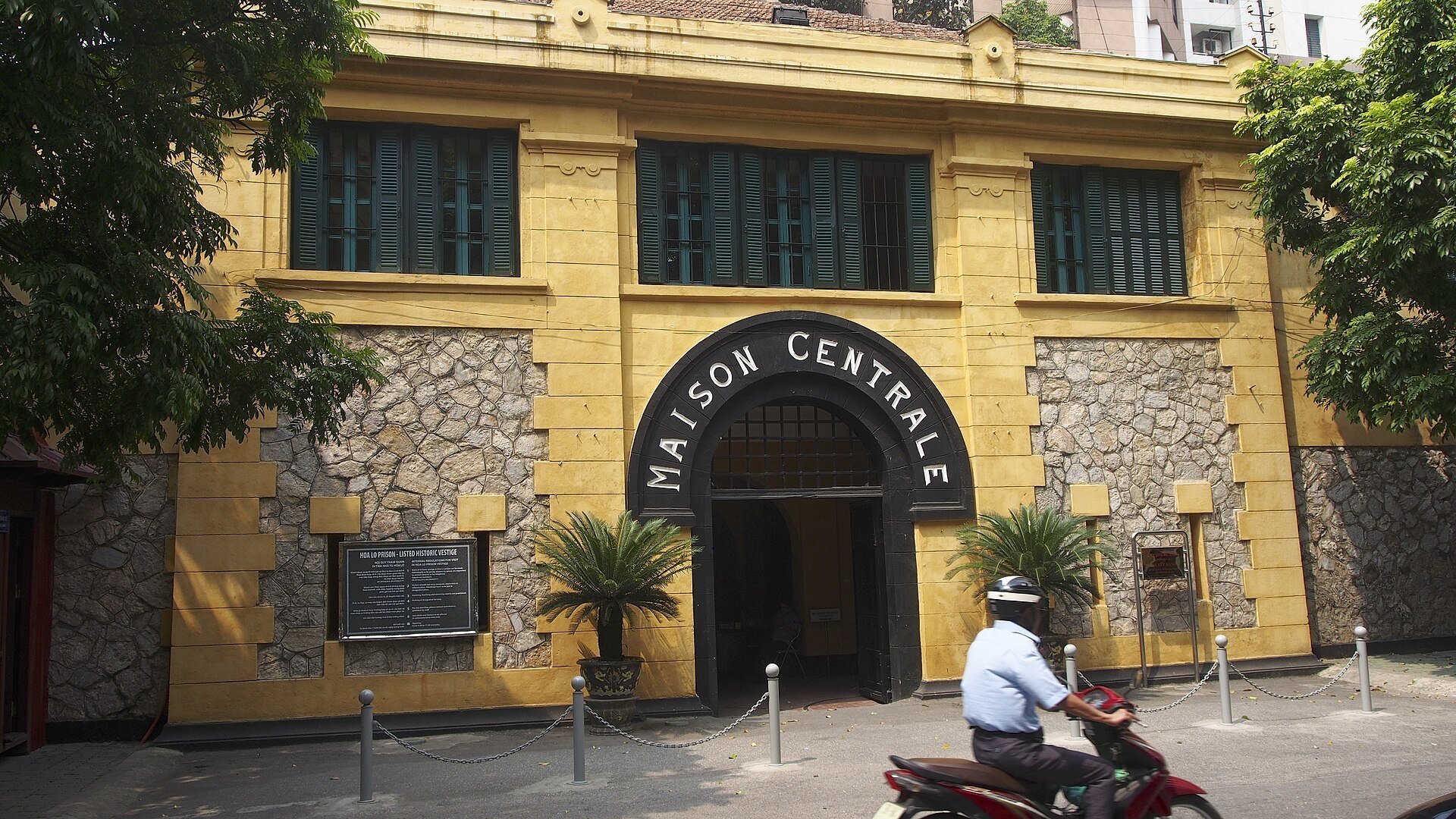
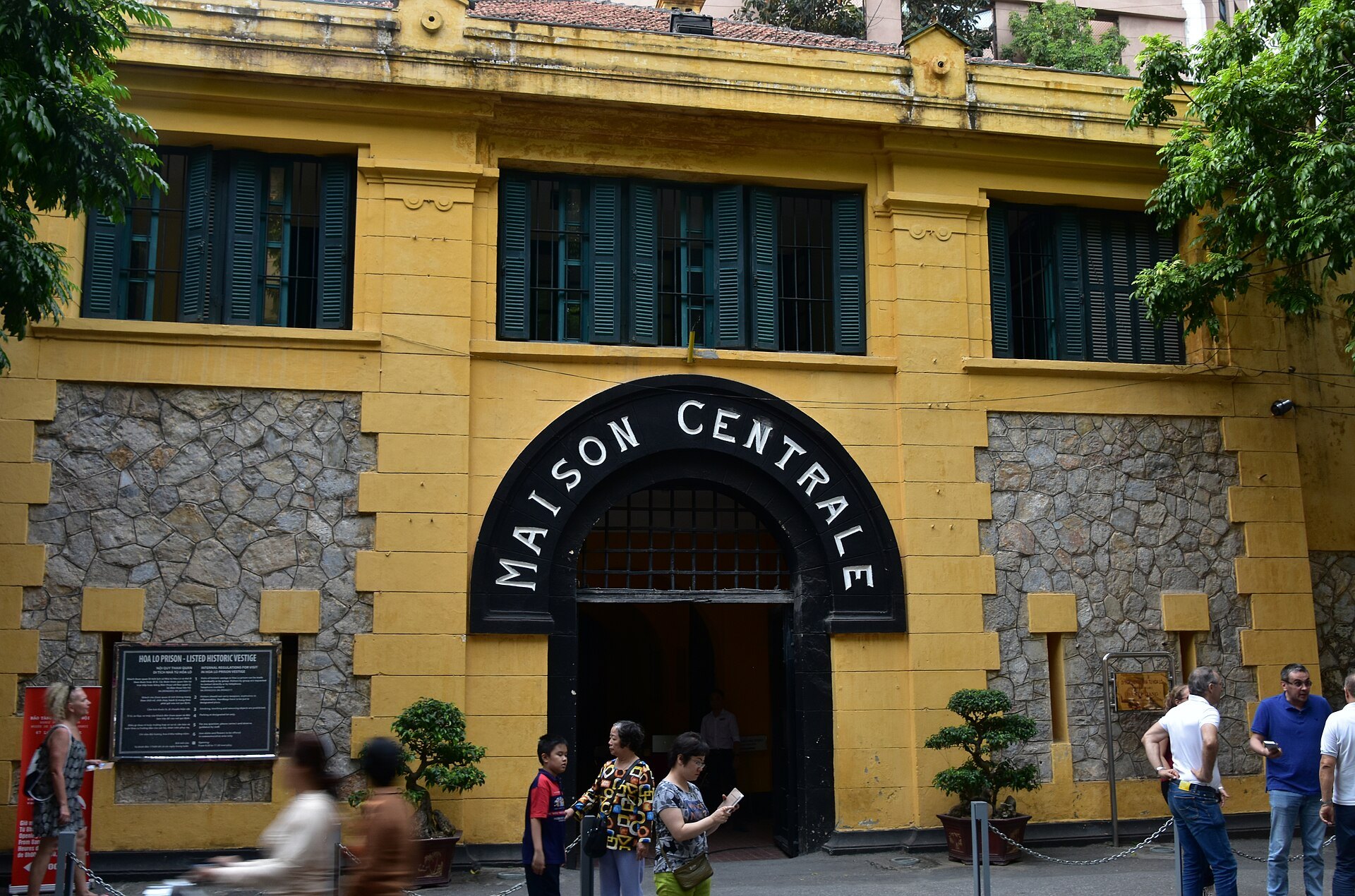
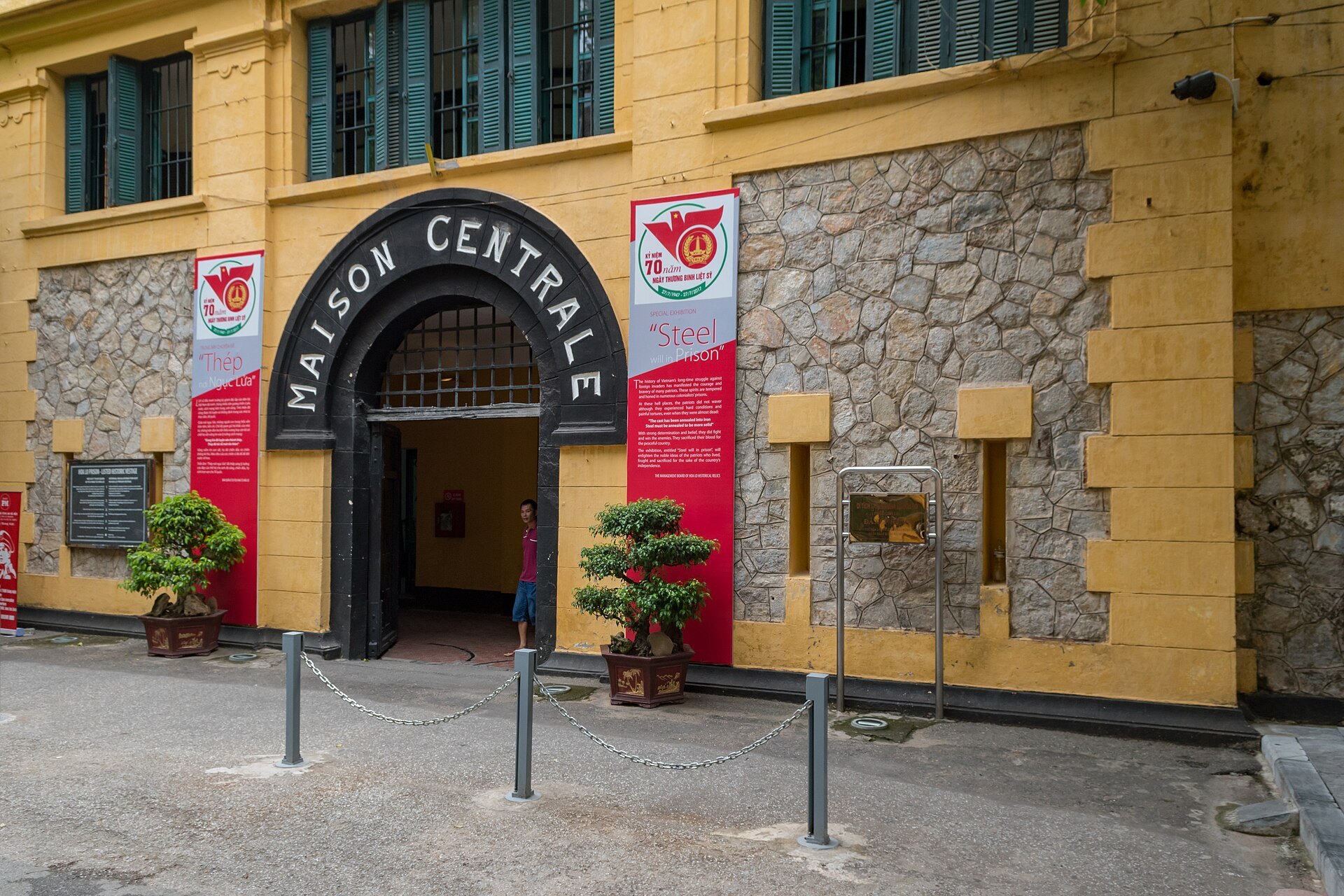
The French built it in 1896 and called it the Maison Centrale — the words are still over the gate — to hold Vietnamese political prisoners. It later held American aircrew, who named it the Hanoi Hilton. Most of the site was demolished in the 1990s and a tower block stands on it; the gatehouse and part of the south wing survive as a museum.
The bulk of the display is about the colonial period, which is the part most foreign visitors know least and the part that is hardest to walk through.
What it costs
Ticketed; small. An audio guide is offered separately and is worth it — the printed labels are thin in places.
An evening tour has run at some periods. Ask at the desk.
When to go
Any time; it is indoors and it is one of the few good things to do in heavy rain. Allow an hour and a half.
_(24624166618).jpg)
Getting there
On Hoa Lo street in the French Quarter, ten minutes’ walk from Hoan Kiem Lake and five minutes from the Tran Phu railway section.
.jpg)
If you only have an hour
The cells and the shackle beds, the guillotine room, the escape through the sewer, then the American section at the end. In that order it makes sense as an argument.
What people get wrong
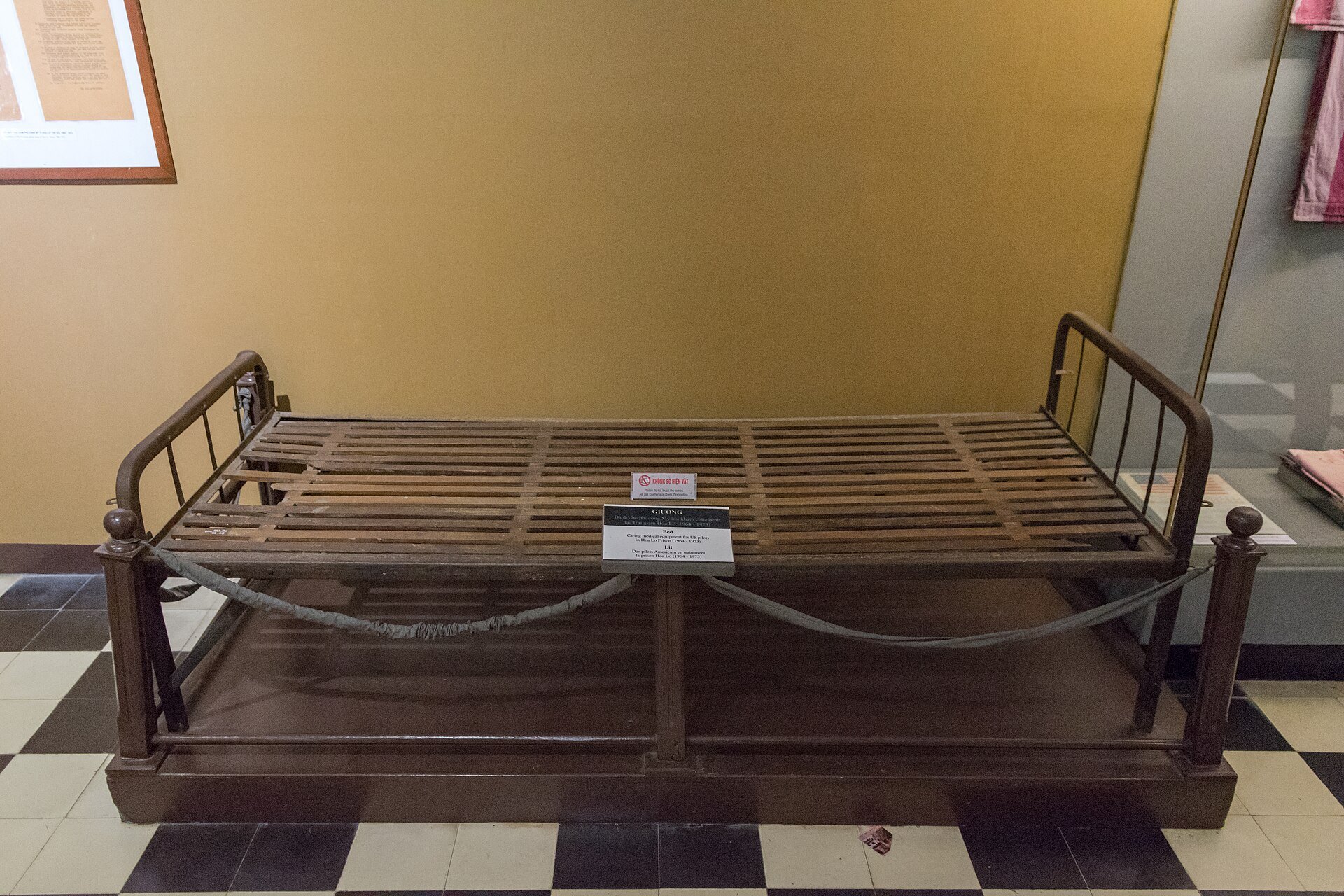
⚠️ The American section is presented very differently from the rest. It is the museum of a state describing its own conduct, and the accounts given by the men held there do not match it. Read it as a primary source about today rather than a neutral record.
⚠️ There are graphic reconstructions, including of executions. It is not a museum for small children.
.jpg)
Nearby
Admissions, closing days and dress rules as published and checked on 7 September 2026. These change without much warning — confirm with the place itself before you travel. More sights, and how they fit together, in Landmarks & Sights.