Food & Drink
Ăn uống · EATING AND DRINKING
The best food in Hanoi is twenty centimetres off the ground, sells one thing, and has run out by mid-afternoon. Pho, bun cha, bia hoi.
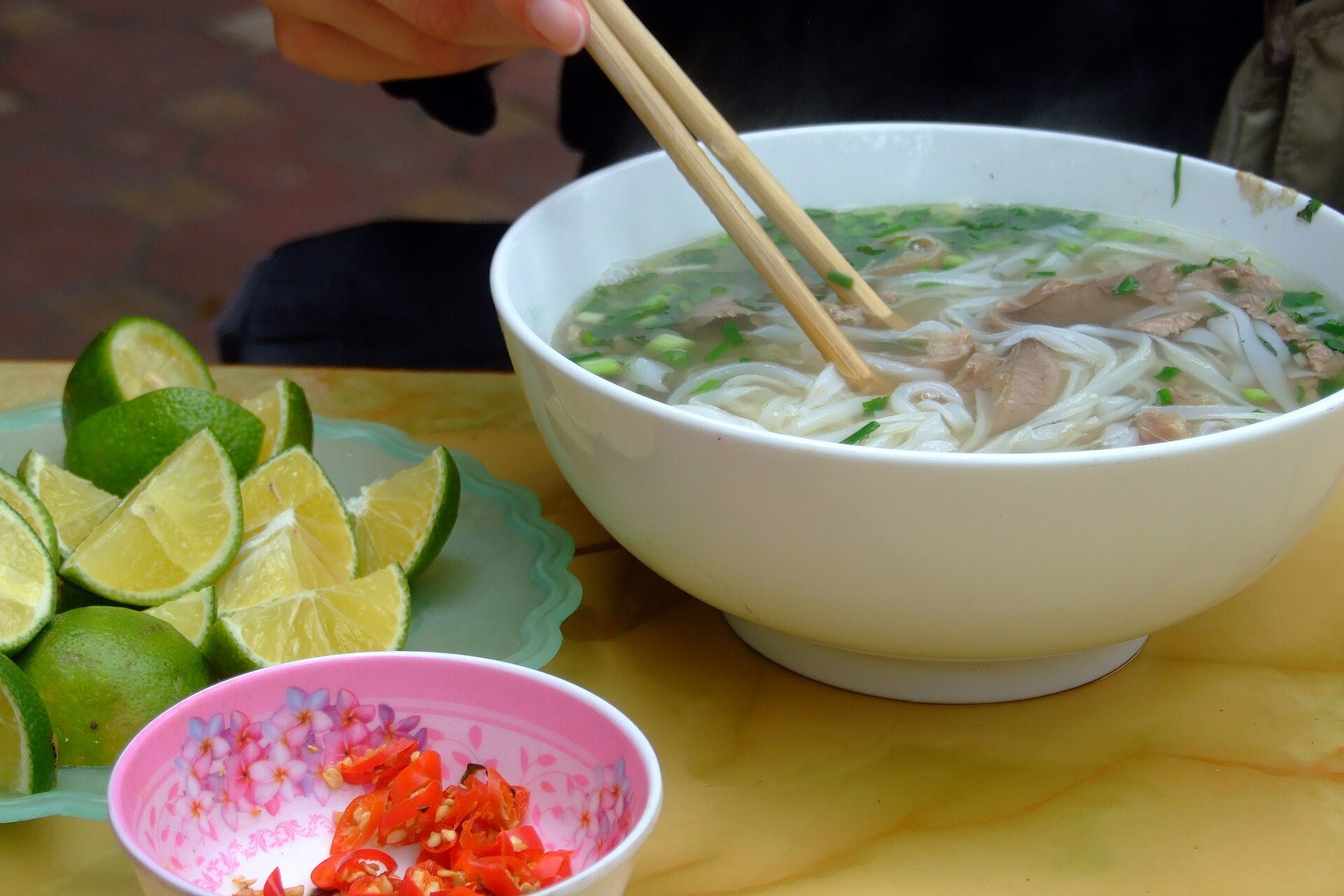

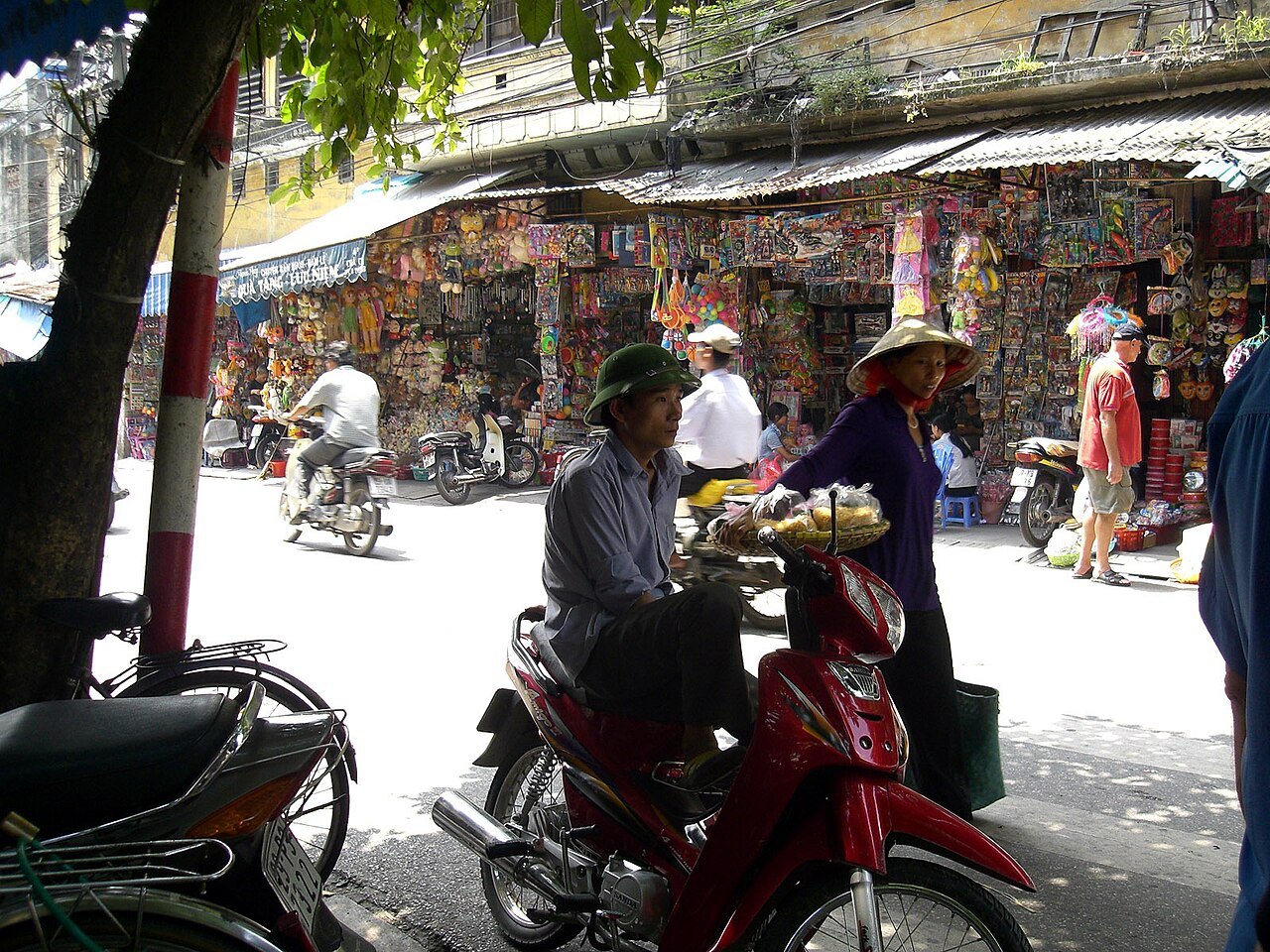

The good food is at ankle height
Hanoi's cooking happens on the pavement, on a metal cart or a charcoal burner, and it is eaten sitting on a plastic stool about twenty centimetres off the ground. The stools are not a budget option or a novelty; they are where the best food in the city is, and a restaurant with chairs is usually a worse version of what is being sold outside it.
⭐ The rule that works everywhere here: eat where there is a queue of Vietnamese people and one thing on the menu. Hanoi's stalls specialise absolutely. A place that sells phở sells phở, from about six in the morning until it runs out, and then it shuts.
.jpg)
What Hanoi is actually for
- Phở bò — the northern version is the clear, restrained one: clean broth, flat rice noodles, few herbs, and the argument about whether the southern version is better has been running for seventy years. Eaten at breakfast far more than at dinner.
- Bún chả — grilled pork over charcoal in a bowl of sweet-sour dipping broth, with cold noodles and herbs alongside. A lunch dish, and Hanoi's own.
- Chả cá — turmeric fish with dill, finished in a pan at your table. There is a street named after the restaurant that made it famous.
- Bánh cuốn — rice sheets steamed to order over cloth, filled with pork and mushroom. Watch it being made; that is half of it.
- Cà phê trứng — egg coffee, invented here when milk was scarce, and much better than it sounds.
- Bia hơi — fresh draught beer, brewed and delivered daily, drunk on the corner in the late afternoon. It is the cheapest beer in the world and it is a social institution rather than a drink.
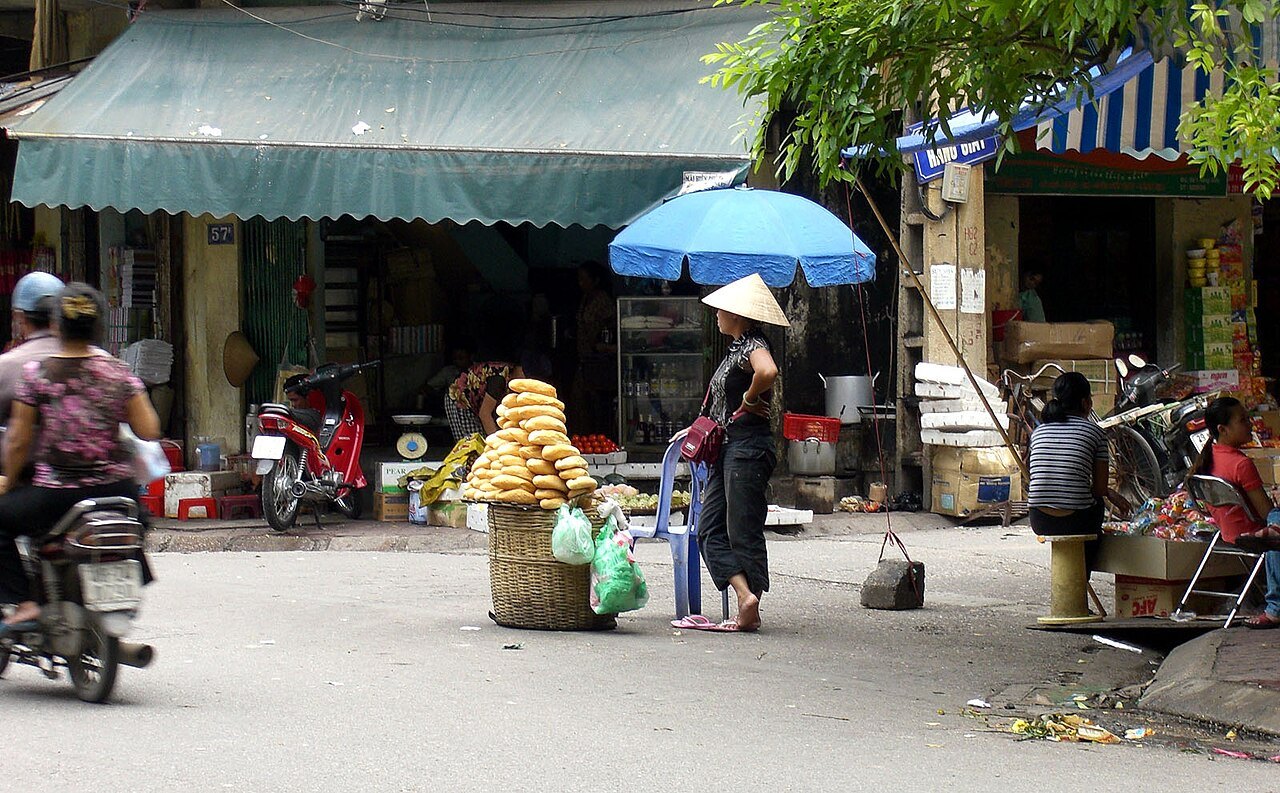

Eating safely without eating badly
⚠️ The advice to avoid street food is wrong and it will cost you the city. The advice that works: eat where the turnover is high, so nothing has been standing; go at the hour that stall is busy rather than the hour that suits you; and be more careful with cut fruit and ice from a stall that is not busy than with anything cooked in front of you.
Tap water is not drinking water. Bottled and boiled are everywhere and cost nothing.
When
Hanoi eats early. Breakfast starts before six, lunch is over by one, and a great many stalls have sold out and closed by mid-afternoon. ⛔ The commonest visitor mistake is looking for a famous bún chả at three in the afternoon and finding a shutter.
Cash. See Money & Language.
This section is being written. The guide above is the section for now. New guides go up three times a week, on Wednesday, Friday and Sunday, so this page grows steadily — it is worth looking in again. In the meantime the sixteen sight pages and the plans by trip length are finished, and they are the best place to start.
Coming next in this section
- Phở for Breakfast: Why Hanoi Eats It Before Eight
- Bún Chả, and Why It Is a Lunch Dish
- ⚠️ Street Food Safety in Hanoi: The Advice That Actually Works
- Bia Hơi: The Cheapest Beer in the World, Explained