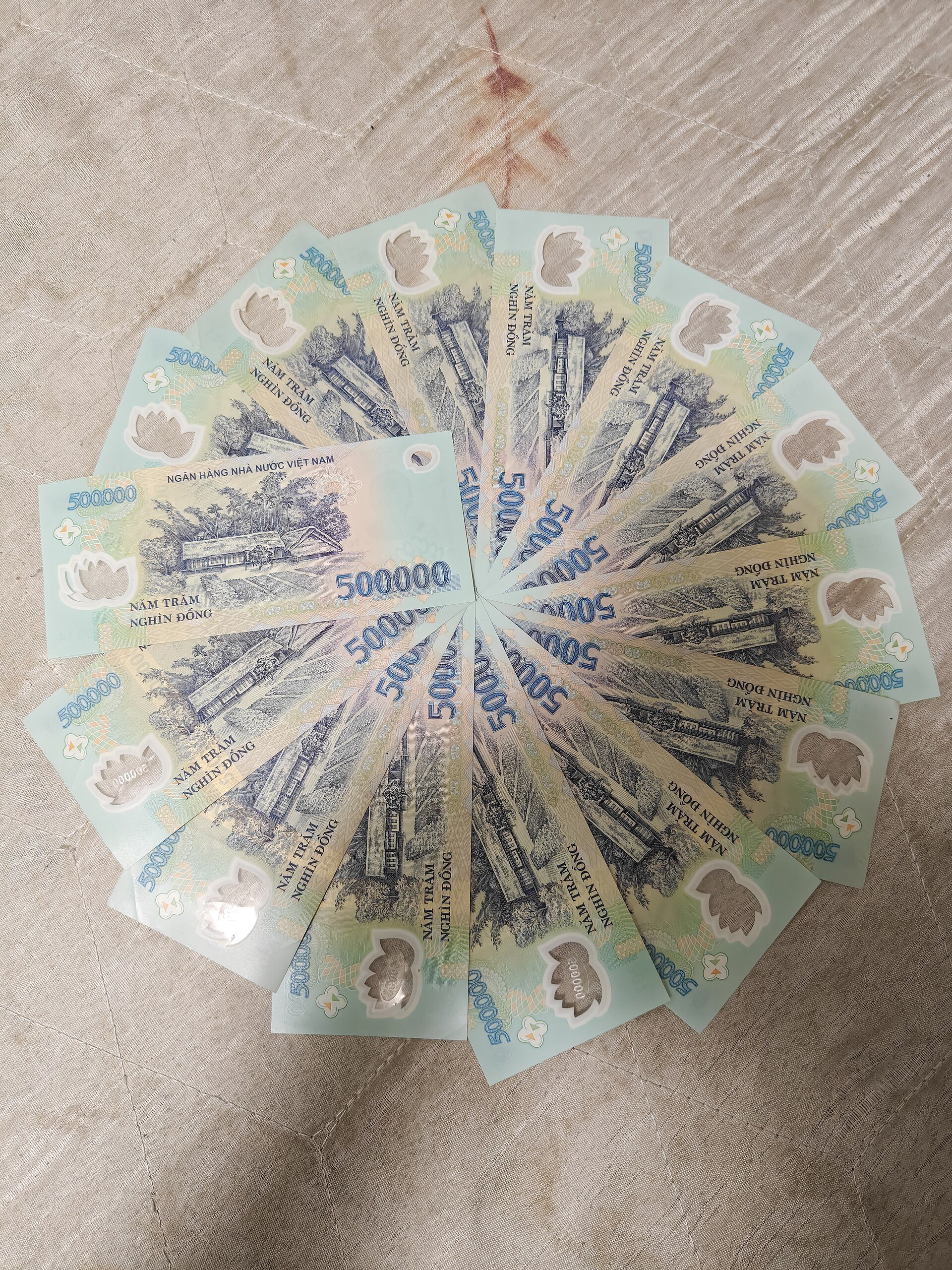
The dong runs to six figures, so an ordinary lunch is a five-digit number and a hotel night is a
seven-digit one. That is disorienting for about a day. What is dangerous for longer is this: the
20,000 and the 500,000 notes are both blue polymer, and in the dark, in a wallet,
at the end of a meal, they are easy to confuse. That is a twenty-five-fold mistake.
⭐ The habit that fixes it: count the zeros every single time, and keep the big notes somewhere
different from the small ones. Ask for smaller notes when you change money — nobody selling you a
bowl of noodles wants a 500,000.
Hotels, chain cafés and larger restaurants take cards. The parts of Hanoi worth coming for — the
plastic-stool kitchens, the markets, the temples, the cyclo, the woman with the fruit baskets — are
cash, and will stay cash. Carry more small notes than feels necessary.
ATMs are everywhere. They charge their own fee on top of whatever your bank charges, they cap
each withdrawal, and the cap varies a great deal between banks, so a machine that refuses a large
amount will often give you a smaller one.
⚠️ QR payment is now genuinely widespread among Vietnamese customers, but it runs on domestic
bank apps a visitor cannot open. Do not plan on it.
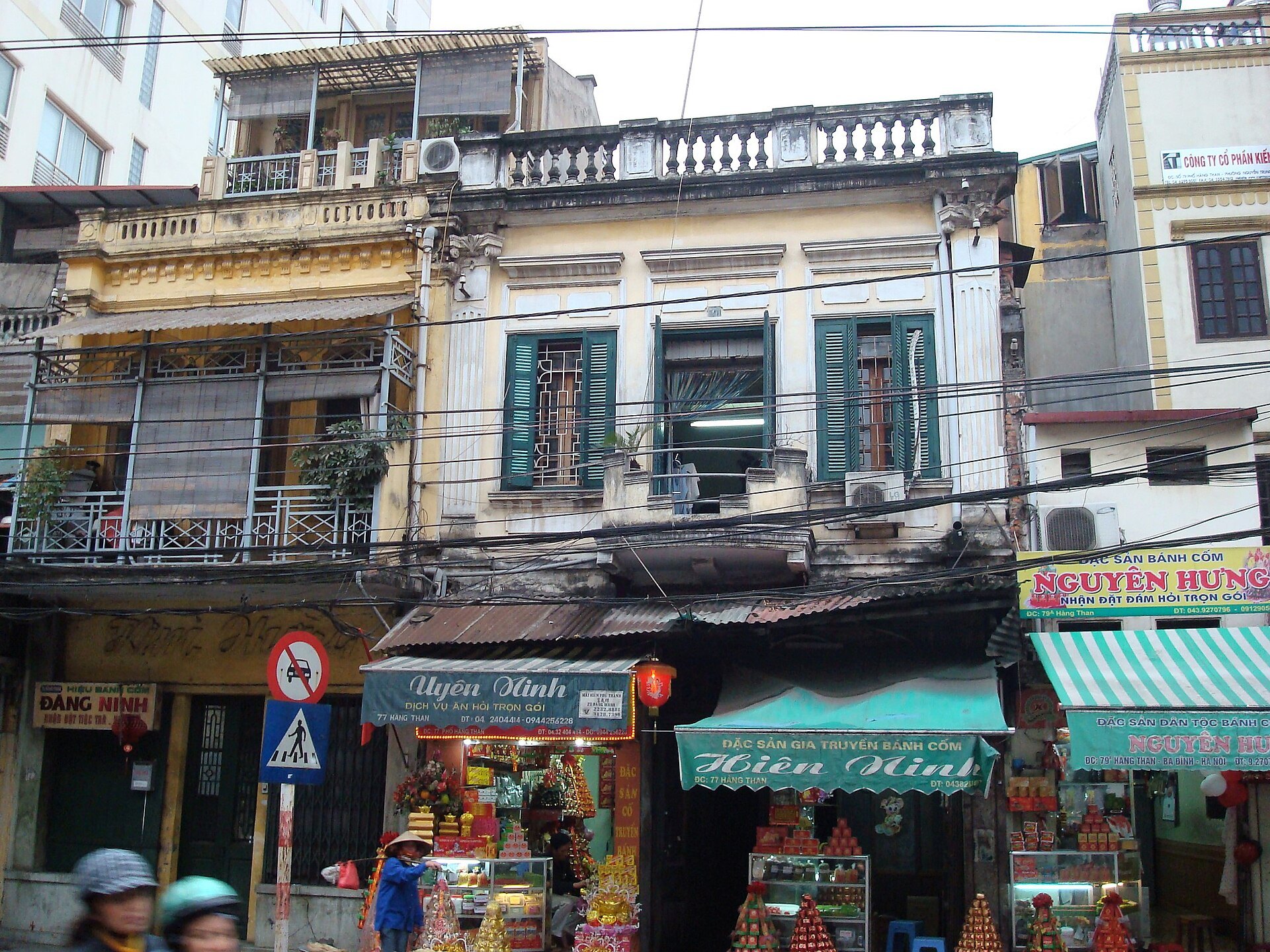
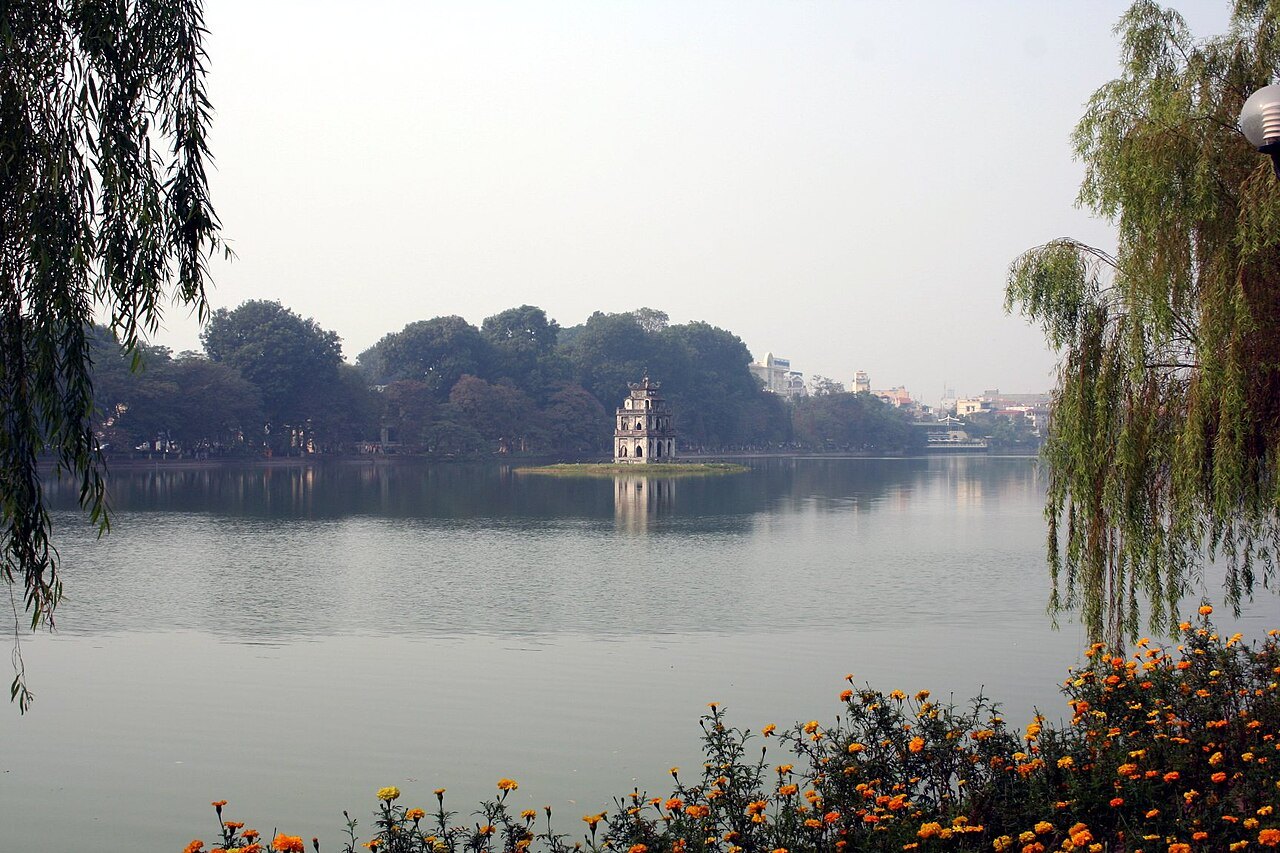
Photograph by Rolf Müller ( User:Rolfmueller ), Wikimedia Commons, CC BY-SA 3.0
Language: less English than you expect, and it does not matter much
Hotel staff, tour desks and the younger half of the service trade speak good English. Taxi
drivers, market sellers and the best food stalls very often do not, and this is not a city where
pointing and smiling fails.
Vietnamese is tonal and the written language is Latin with a stack of diacritics that carry the
tone. ⭐ Those marks are not decoration — ma, má, mà, mả,
mã and mạ are six different words. Nobody expects you to get them right. Everybody
notices that you tried.
Xin chào — hello
Cảm ơn — thank you
Bao nhiêu? — how much?
Không — no / I don't want it
Ngon quá! — really delicious, and it will get you a better second bowl
⭐ The single most useful trick is written, not spoken: have your destination written down in
Vietnamese, with the diacritics, and show it. Street names here differ by one accent all the
time.
Tipping and prices
Tipping is not built into Vietnamese life the way it is in the United States, and no one on a
plastic stool is waiting for one. Rounding up, leaving small change, or a tip for a guide or a
driver who has spent the day with you are all normal and welcome.
⚠️ Prices at a market stall are a conversation; prices in a shop with labels are not. Knowing
which one you are in saves everybody's afternoon.
Vietnamese dong notes are polymer, not paper, and two of the most commonly handled — the 20,000 and the 500,000 — are printed in the same blue family. The gap between them is twenty-five times. Mixing them up is not a rounding error. It is handing over roughly 480,000 dong more than you meant to, … Read more

.jpg)