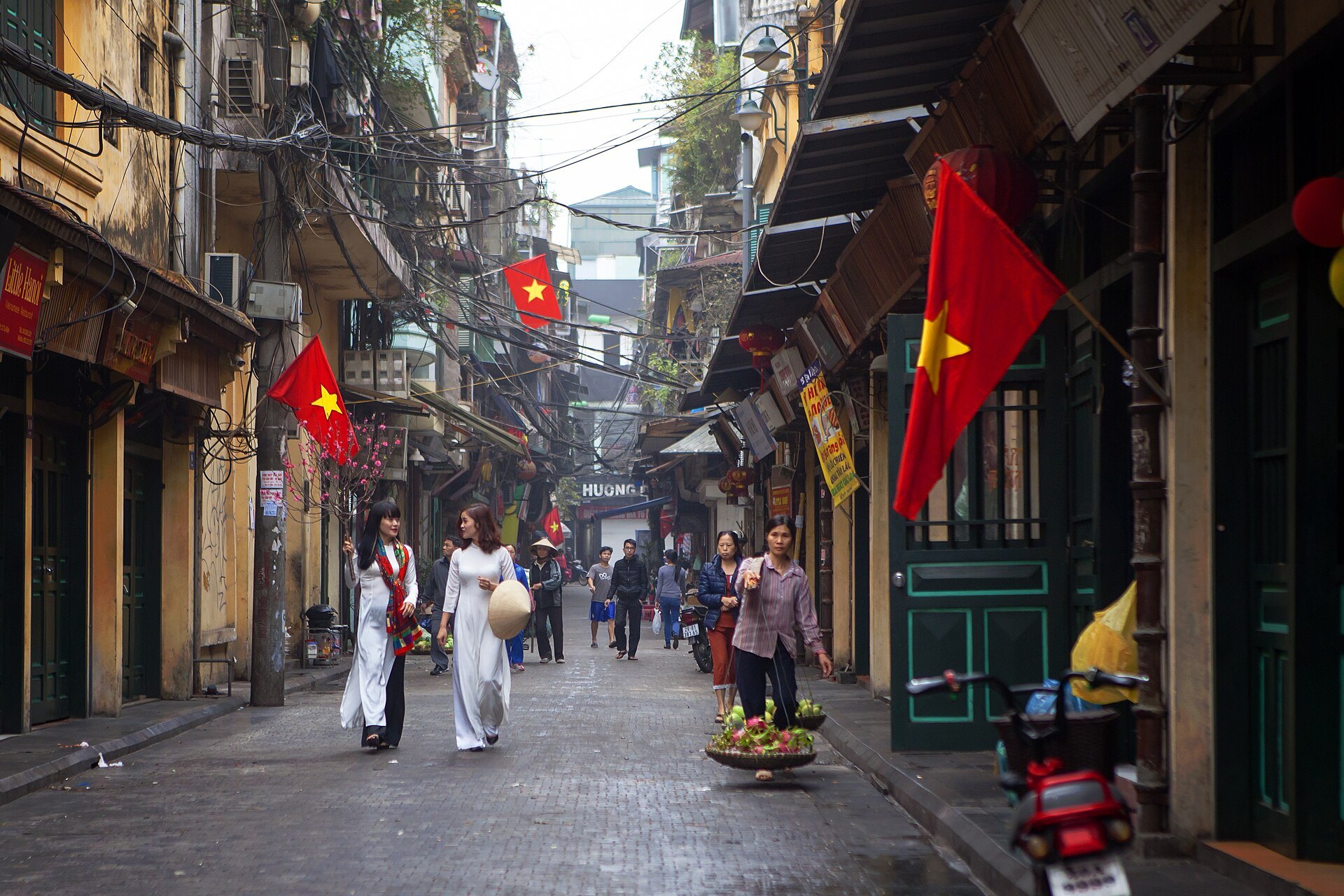
The pavement is not for walking.
Learn to cross the road, and Hanoi opens. Eleven of the sixteen things worth seeing are free, the best food in the city is eaten twenty centimetres off the ground — and the pavement belongs to everybody except pedestrians.
Photograph by Pixabay user 9636137, Wikimedia Commons, CC0

Population is the municipality, which is much larger than the built-up city. “11 of 16” counts the sight pages here that charge no admission at all. 1010 is the year Lý Thái Tổ moved the capital to this ground and named it Thăng Long. Thirty-six is traditional rather than a count — nobody has ever agreed on the exact number of streets. The two metro lines are Cát Linh–Hà Đông and the opened stretch of Nhổn–Hanoi Station.
Five things to know before you land
Each of these decides how the week goes, and not one of them is about which pagoda to choose.
There is rarely a gap. Step off the kerb and walk at a slow, even pace without stopping — the motorbikes read your speed and go around you. Stopping in the middle and running back are the two things that cause accidents. Cars and buses will not swerve, so cross behind them. It takes one block to learn and it changes the whole trip.
The dong runs to six figures and two of the notes look alike in a wallet at the end of a meal. That is a twenty-five-fold mistake and it is the most common one visitors make. Count the zeros, not the colour, and keep the big notes separate from the small ones.
Ho Chi Minh's mausoleum is free, is traditionally closed on Mondays and Fridays, and closes altogether for several weeks most years while the body is maintained, on dates announced late. Check it before you build a day around it. Shorts and bare shoulders are turned away at the line, not at the gate.
Hanoi cooks on the pavement and eats on a twenty-centimetre plastic stool. Look for a queue of Vietnamese people and one thing on the menu. Breakfast starts before six and a famous stall at three in the afternoon is a shutter.
It is the shop, the kitchen, the workshop and the motorbike park, and it is full. Walking in the traffic lane at the edge of the road is normal here and drivers expect it. Keep a straight line and let them come around you.
Start here
Eleven sections, on the enamel plates the Old Quarter screws to its street corners — the Vietnamese name above, what it covers below. The first three are the everyday mechanics, because those are what actually go wrong.
The sixteen sights
Free first, ticketed after. Eleven of the sixteen cost nothing to enter — ⚠️ though one of the free ones is shut every Monday and Friday.
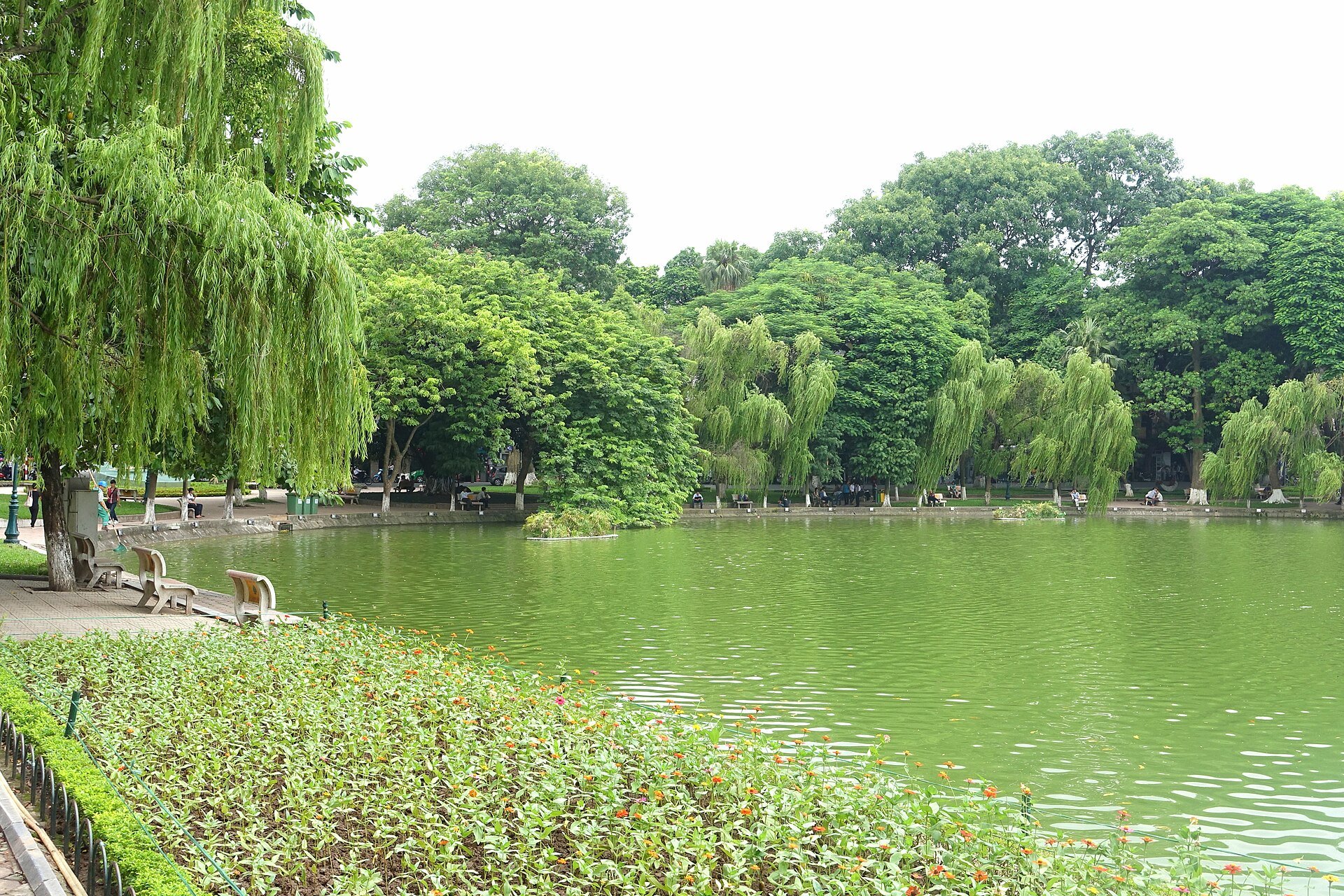 Hoan Kiem Lake⭐ Free · open always
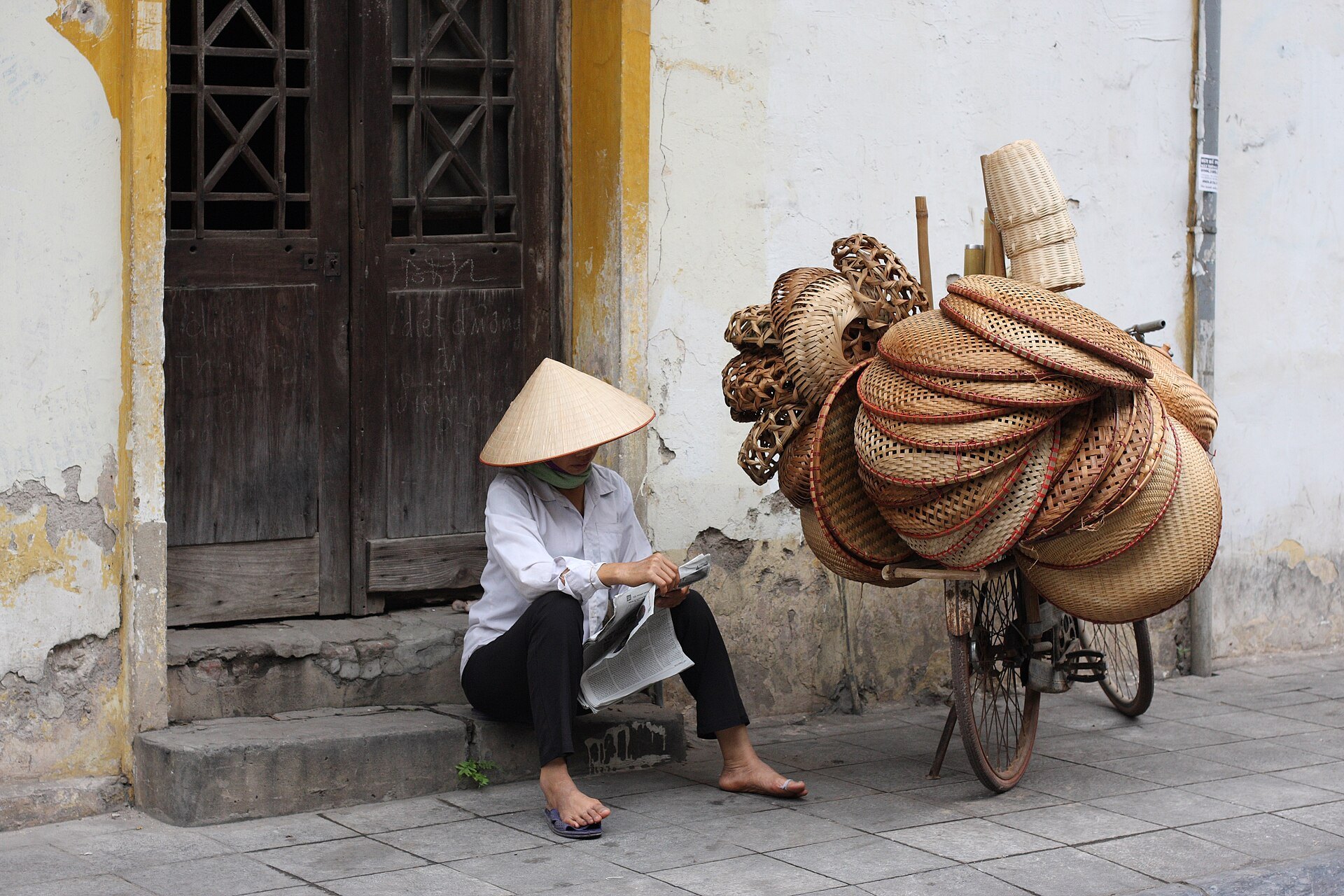 The Old Quarter⭐ Free · the 36 streets
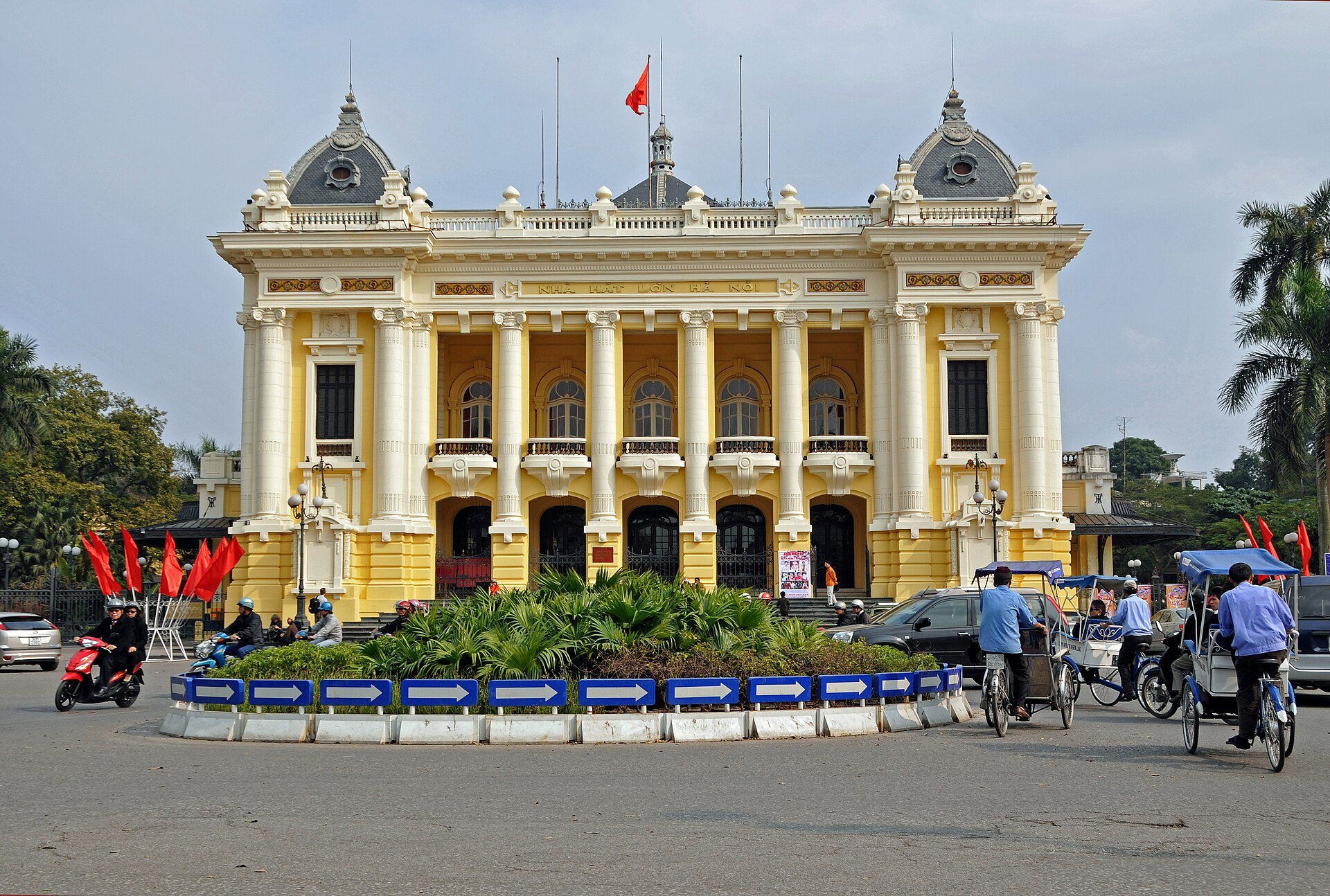 The French Quarter⭐ Free · walk it
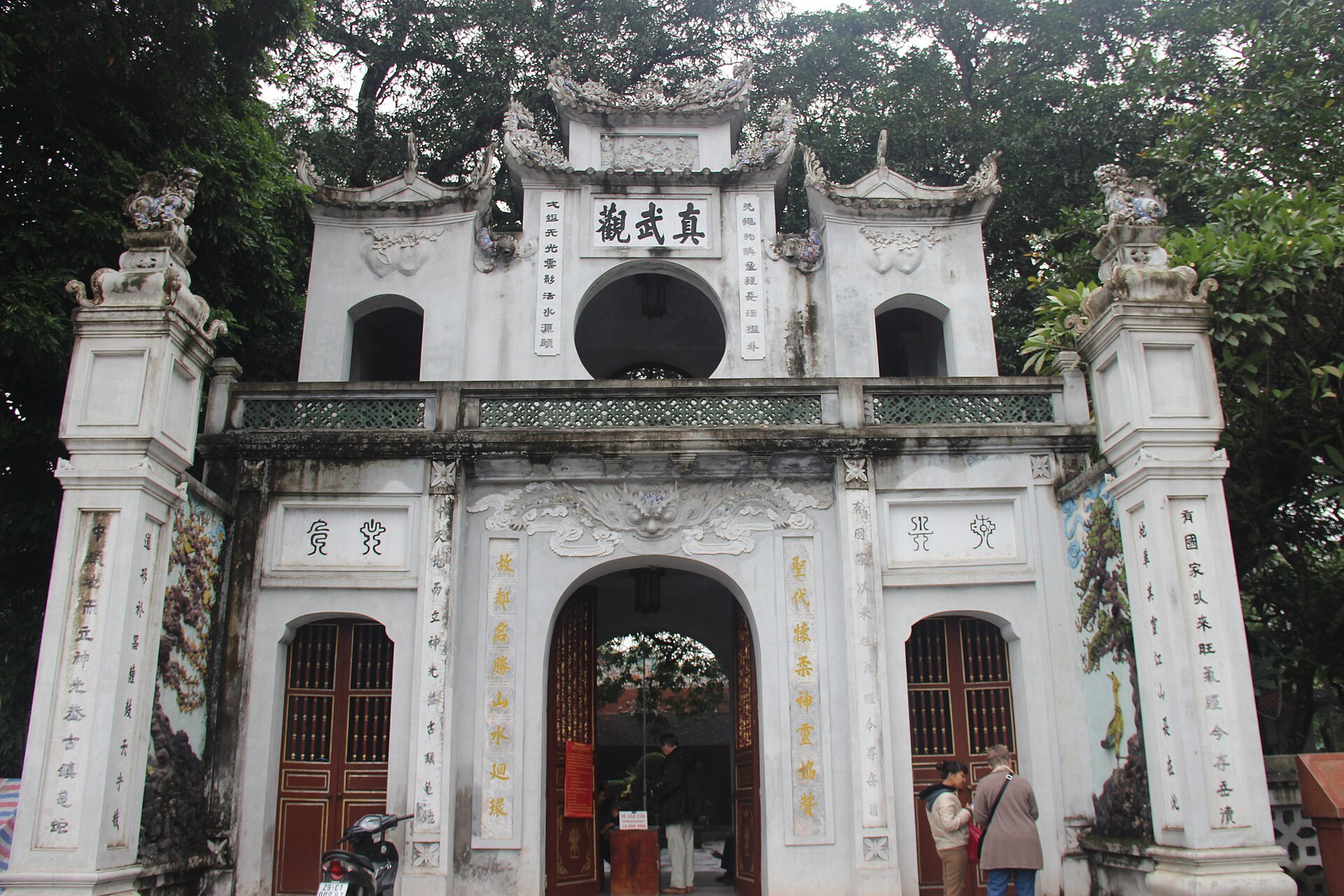 West Lake & Tay Ho⭐ Free · the big lake
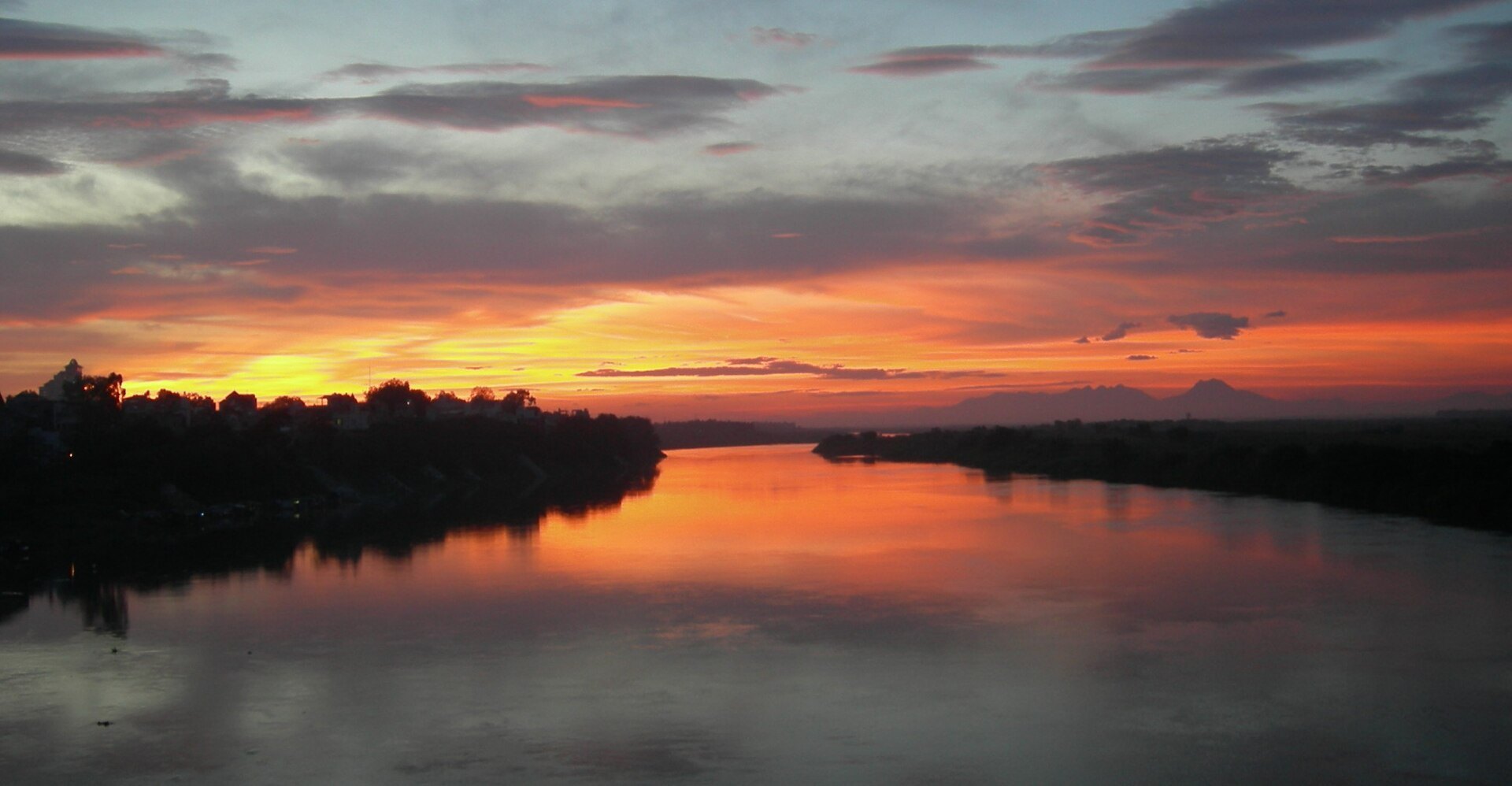 Long Bien Bridge⭐ Free · walk across
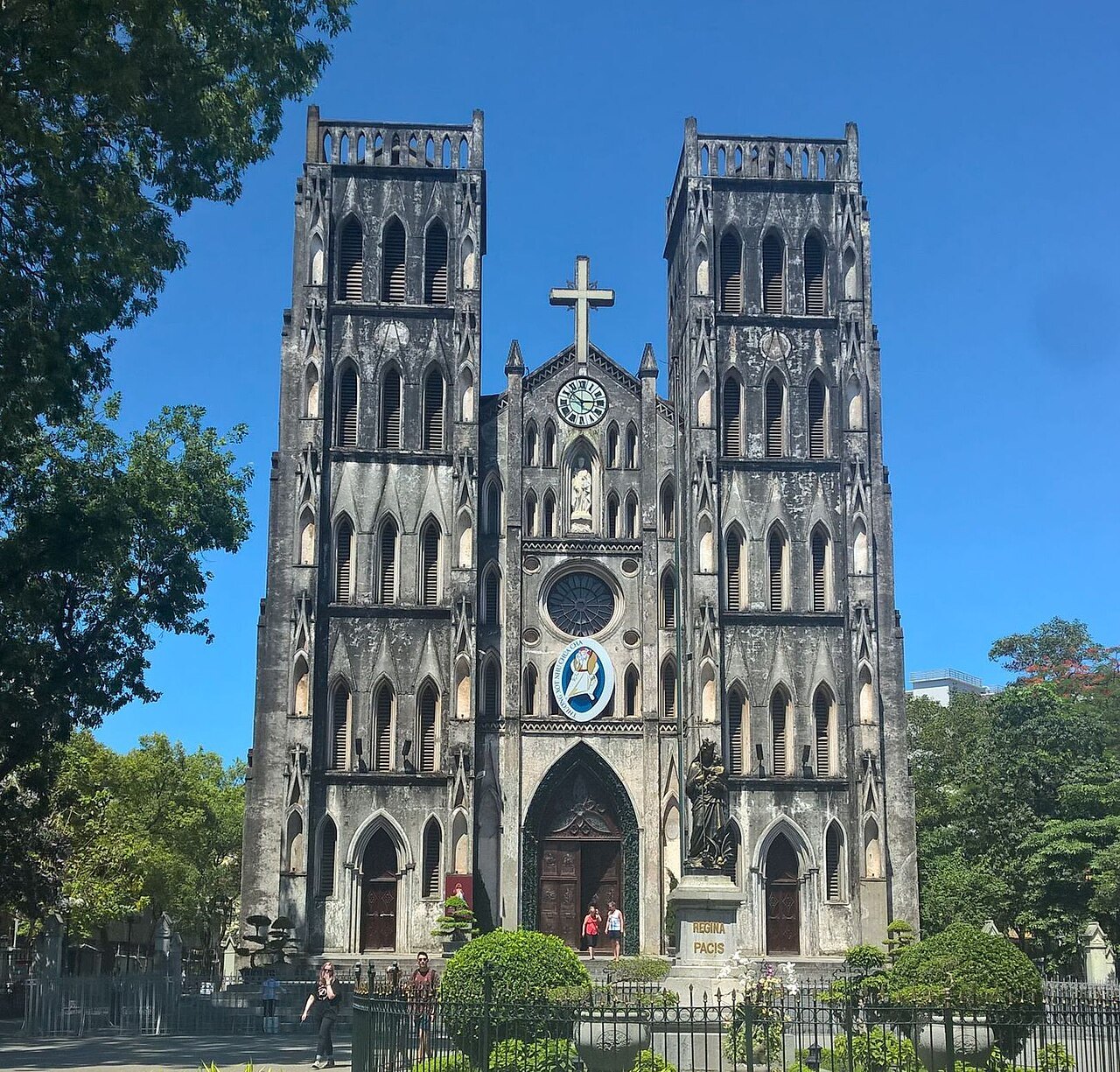 St Joseph's Cathedral⭐ Free · working church
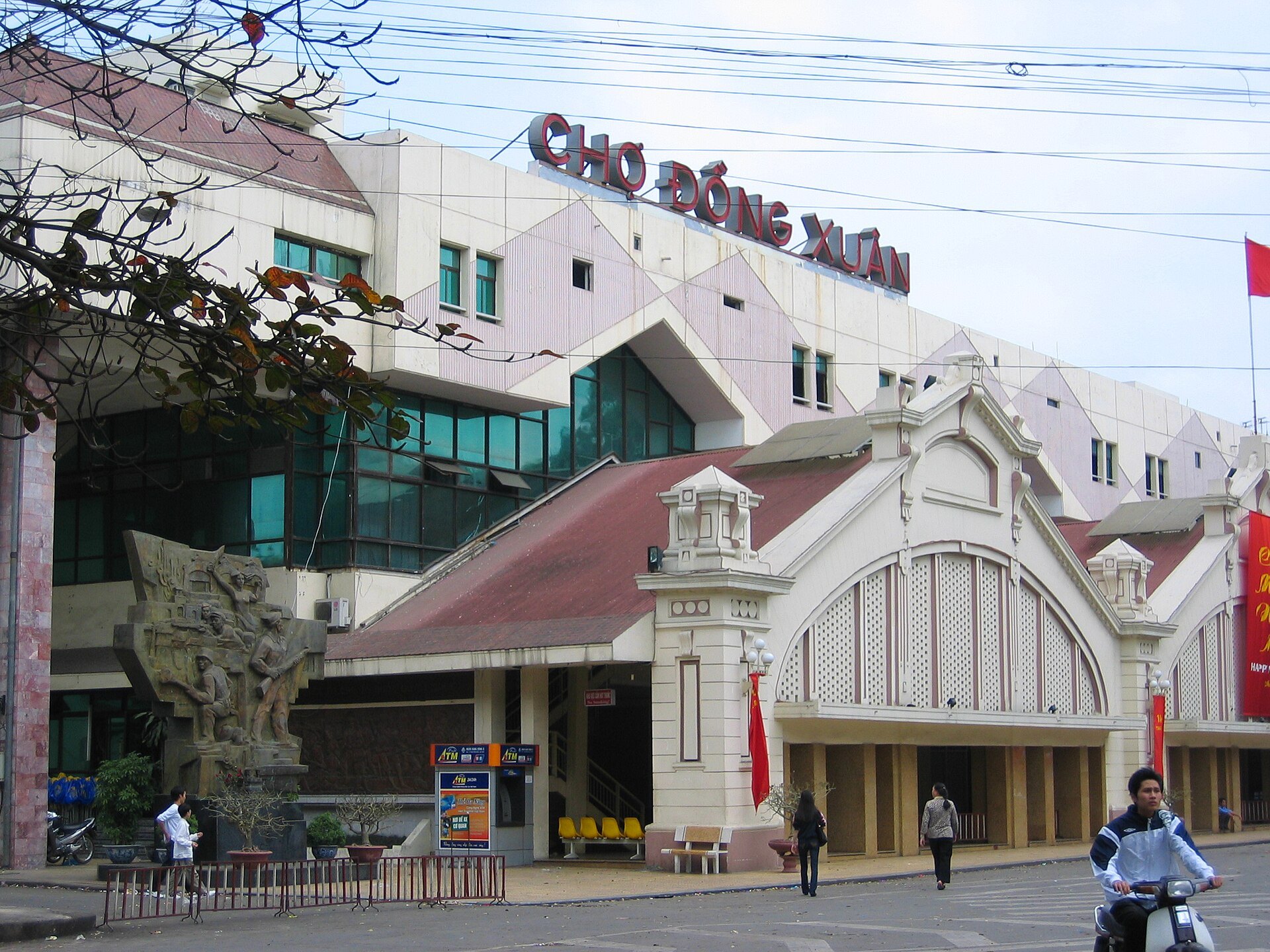 Dong Xuan Market⭐ Free · wholesale first
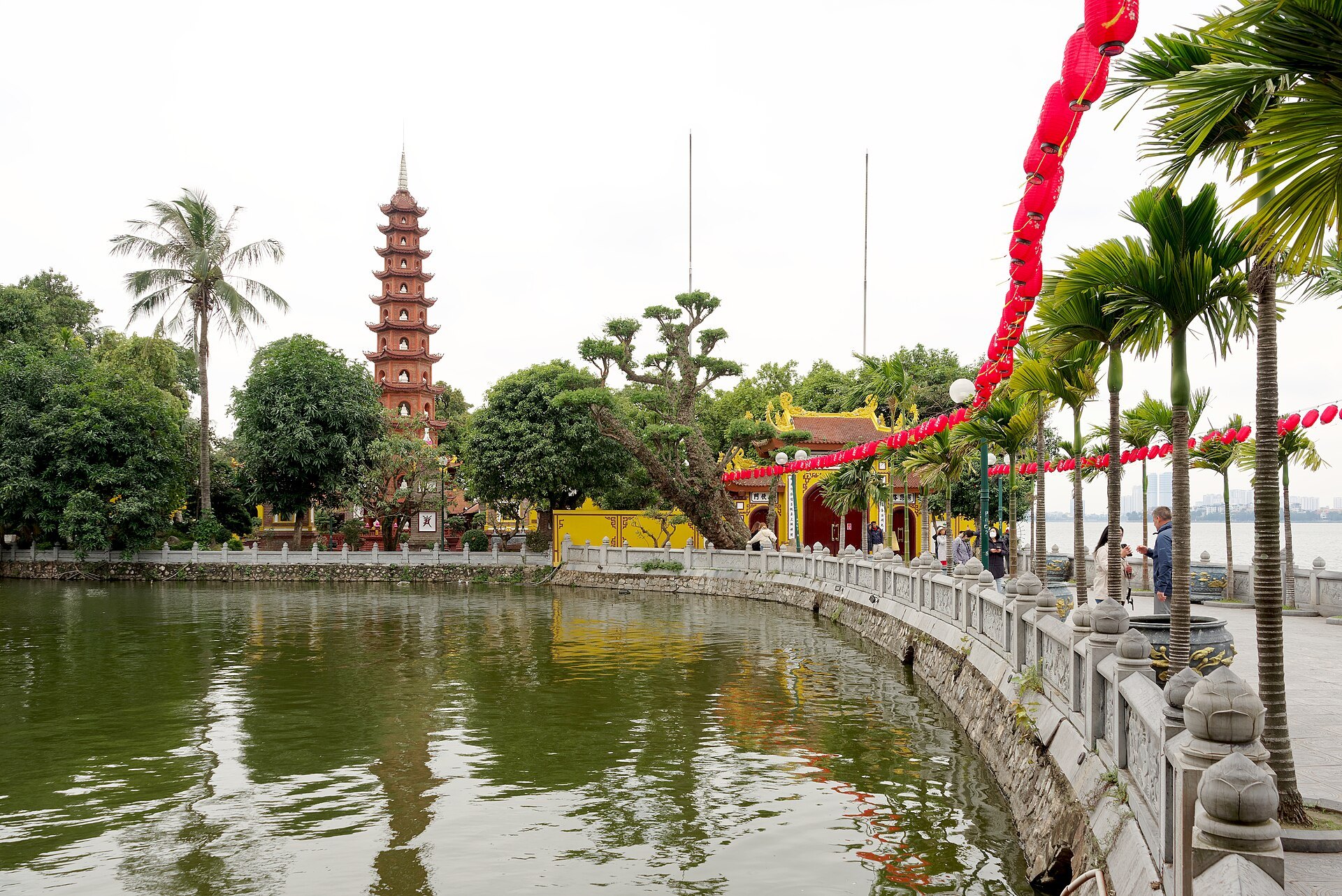 Tran Quoc Pagoda⭐ Free · oldest in Hanoi
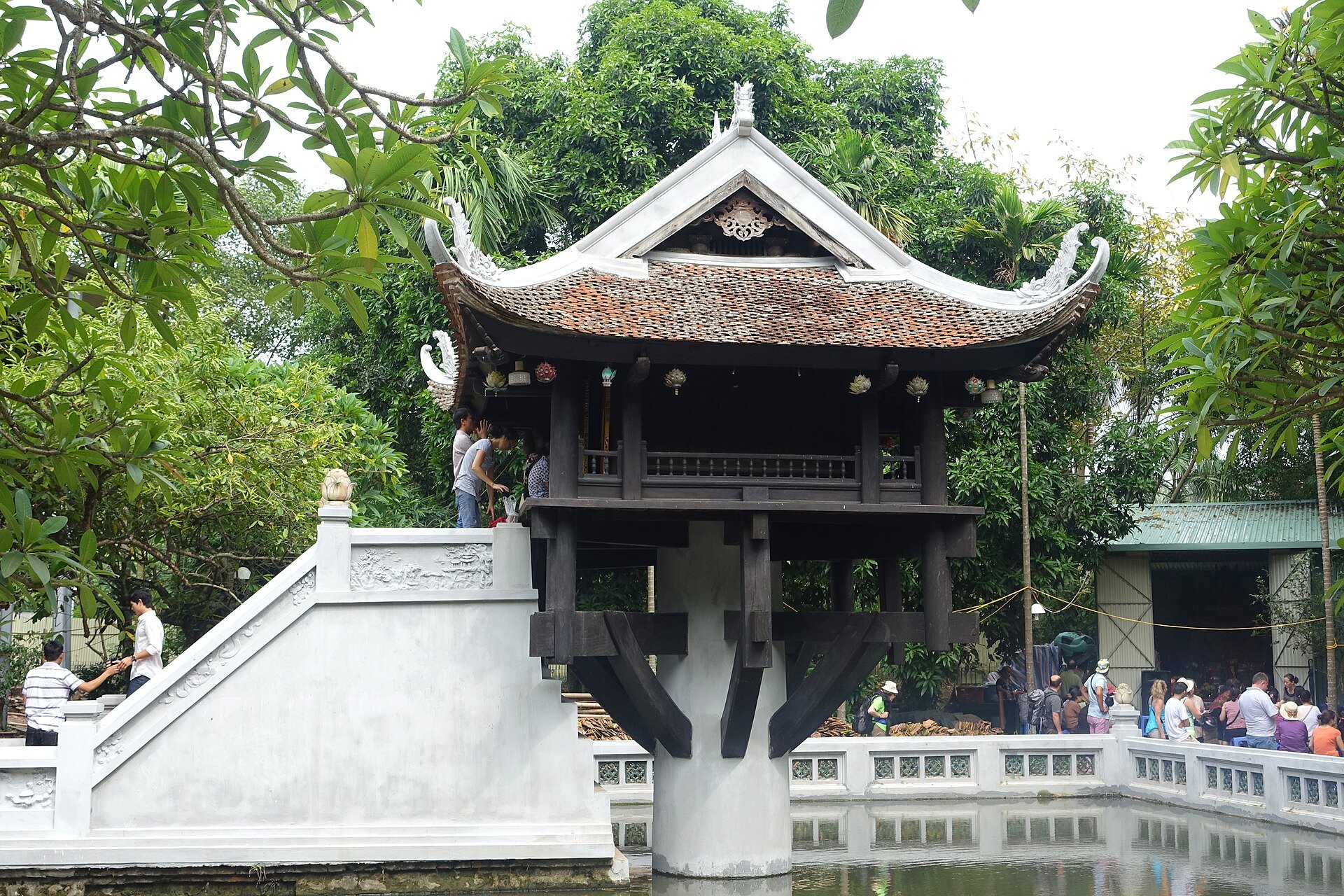 One Pillar Pagoda⭐ Free · very small
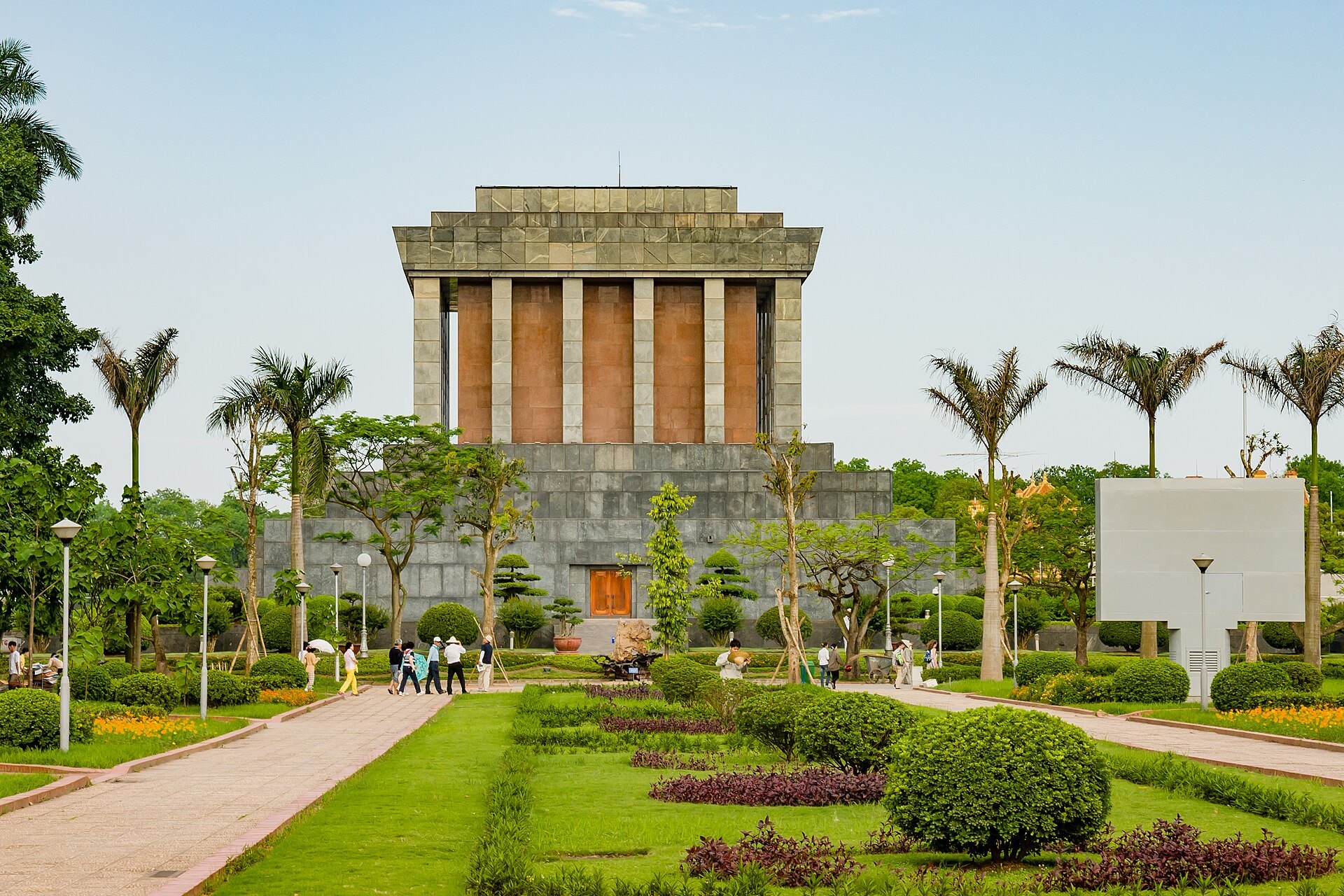 Ho Chi Minh Mausoleum⭐ Free · strict rules
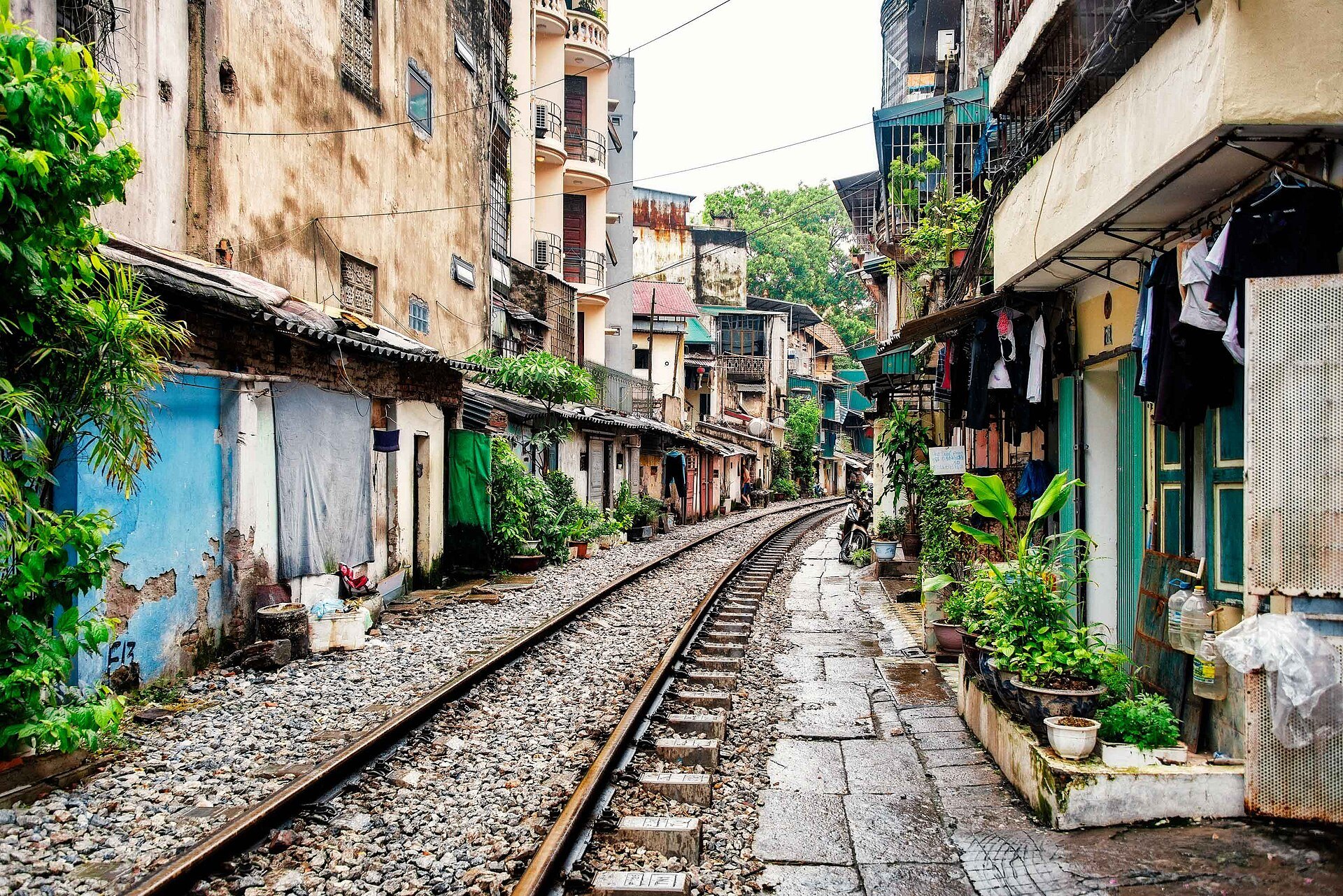 Train Street⚠️ Free · access restricted
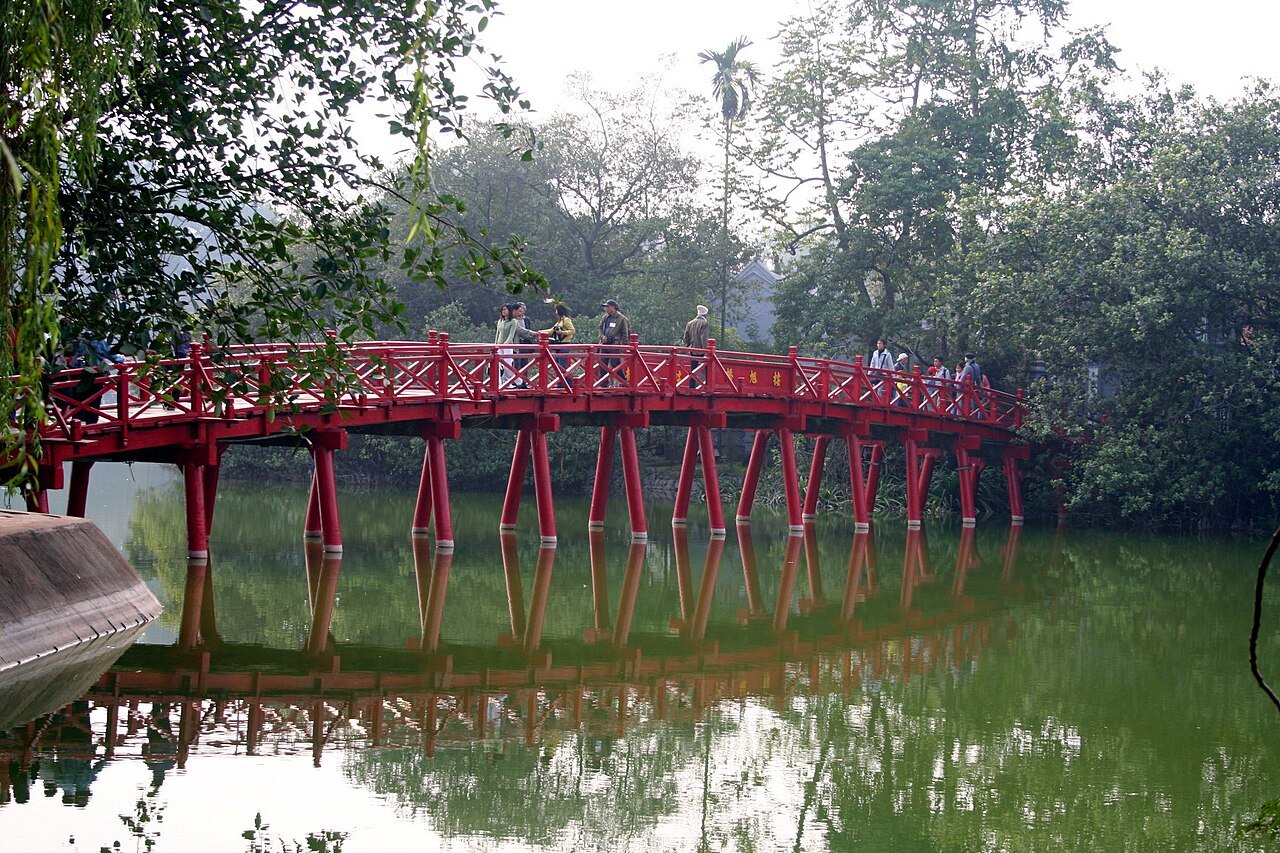 Ngoc Son TempleTicketed · on the lake
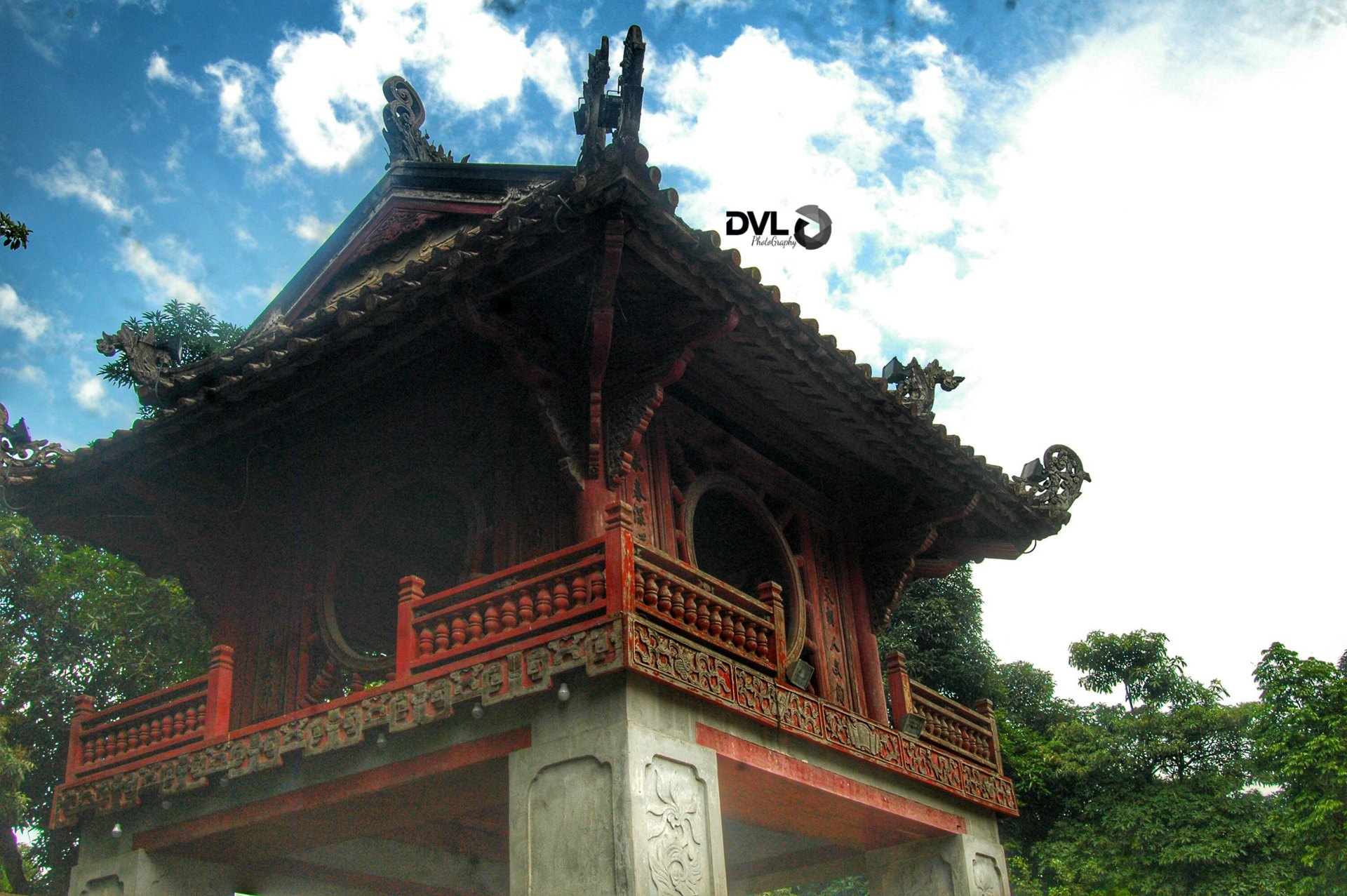 Temple of LiteratureTicketed · Vietnam's first university
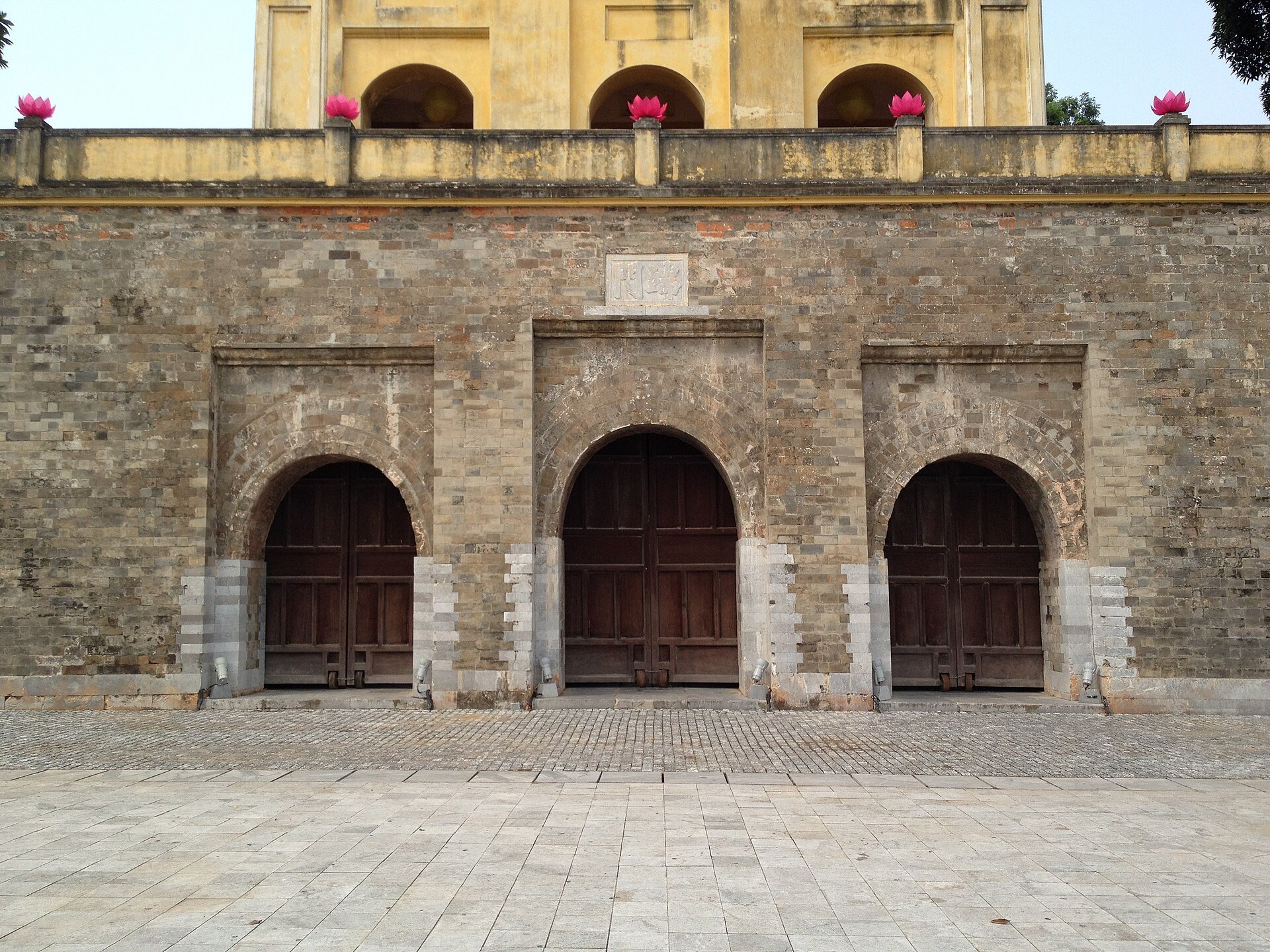 Imperial Citadel of Thang LongTicketed · UNESCO
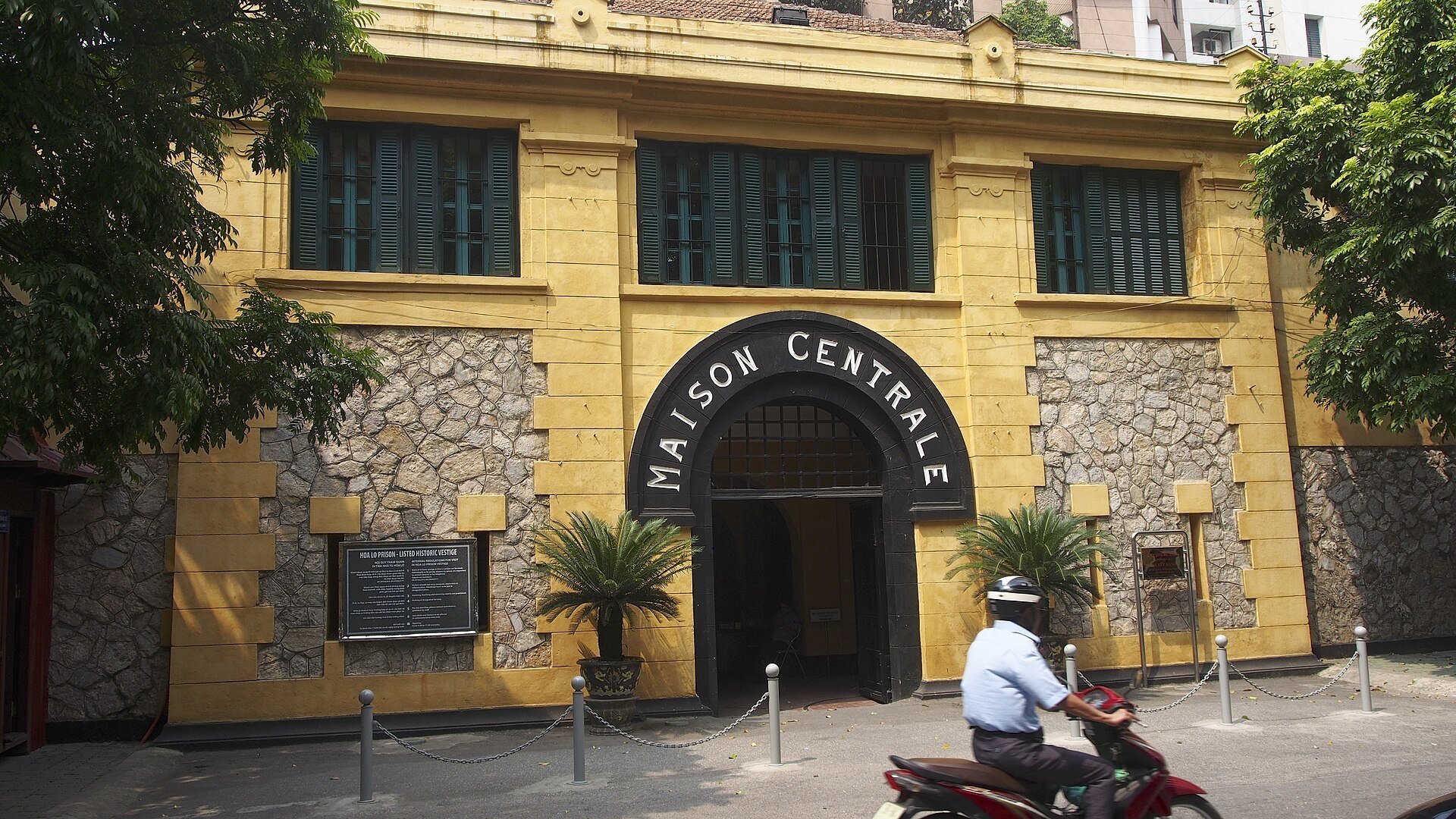 Hoa Lo PrisonTicketed · heavy going
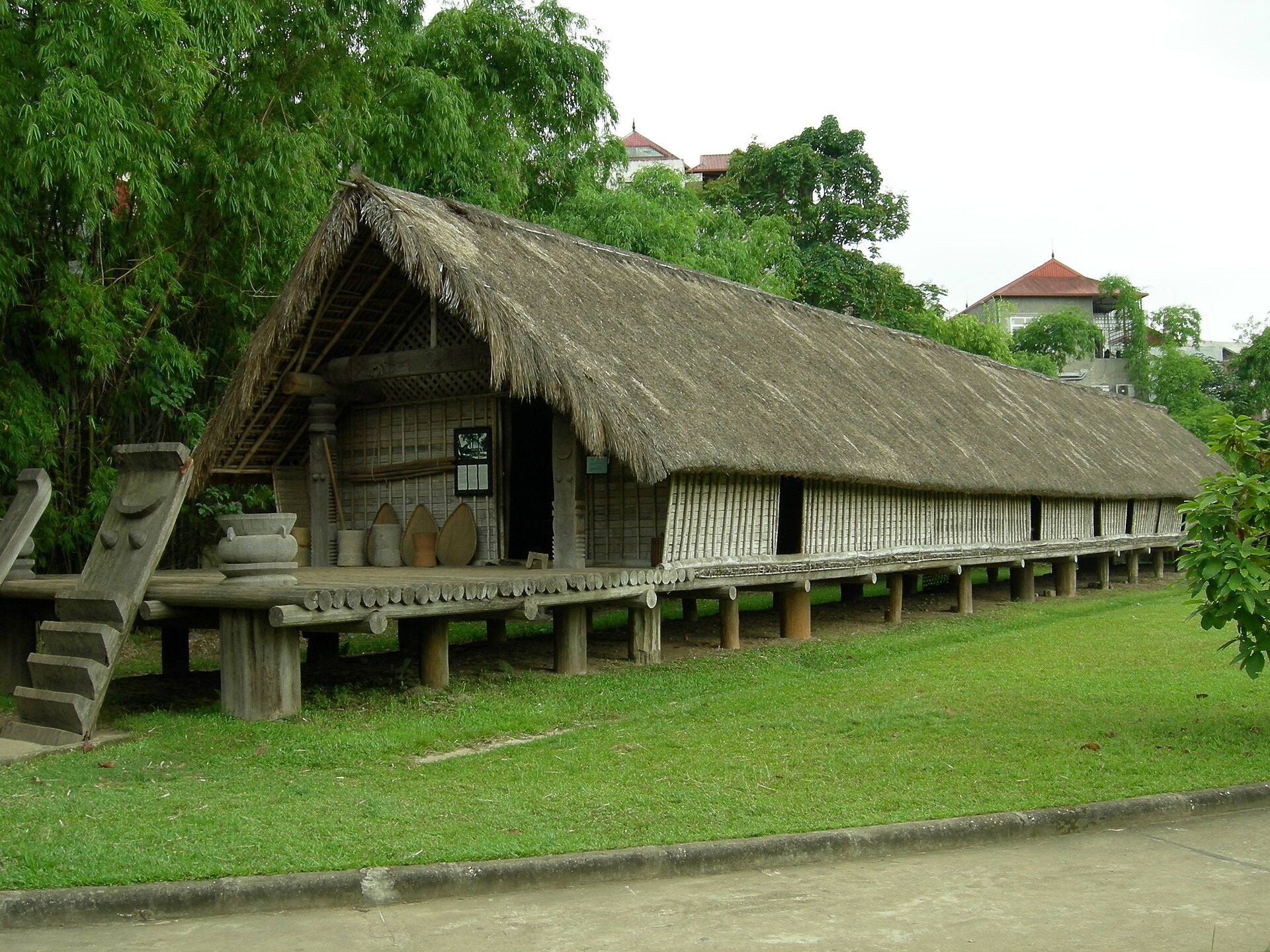 Museum of EthnologyTicketed · worth the taxi
Photographs above, in order, from Wikimedia Commons: Daderot (CC0) · yeowatzup (CC BY 2.0) · Dennis G. Jarvis (CC BY-SA 2.0) · Gary Todd (CC0) · Rungbachduong (CC BY-SA 3.0) · Cookie Nguyen (CC BY-SA 4.0) · Juliana Ng from Singapore (CC BY 2.0) · Jakub Hałun (CC BY 4.0) · Daderot (CC0) · CEphoto, Uwe Aranas (CC BY-SA 3.0) · Rod Waddington from Kergunyah, Australia (CC BY-SA 2.0) · Rolf Müller ( User:Rolfmueller ) (CC BY-SA 3.0) · Đinh Văn Lực (CC BY-SA 4.0) · Phan Minh Tuấn (CC BY-SA 4.0) · Clay Gilliland (CC BY-SA 2.0) · vi:User:Rungbachduong (CC BY-SA 3.0). Each sight page repeats its own credit beside the image.


.jpg)


.jpg)

All sixteen, with the argument →
How long have you got?
Each plan is built backwards from what is shut — the mausoleum’s mornings, the food stalls selling out by mid-afternoon, and the weekend evenings when the Old Quarter closes to traffic.
Two things on this site move faster than anything else. Vietnam’s entry rules for short-stay visitors — the e-visa and the exemption lists — have been changed repeatedly, and the Ho Chi Minh Mausoleum’s annual closure is announced late and lasts weeks. Nothing here states a visa duration, a fare or an admission price for that reason: we describe how a rule works and send you to the embassy or the operator for the current position. If we have described a mechanism wrongly — which station a train leaves from, what the dress rule actually is, when a stall stops serving — that is very much worth telling us about.
Everything here was checked on 7 September 2026. ⚠️ Entry rules, closing days and opening patterns all change — confirm before you travel.