
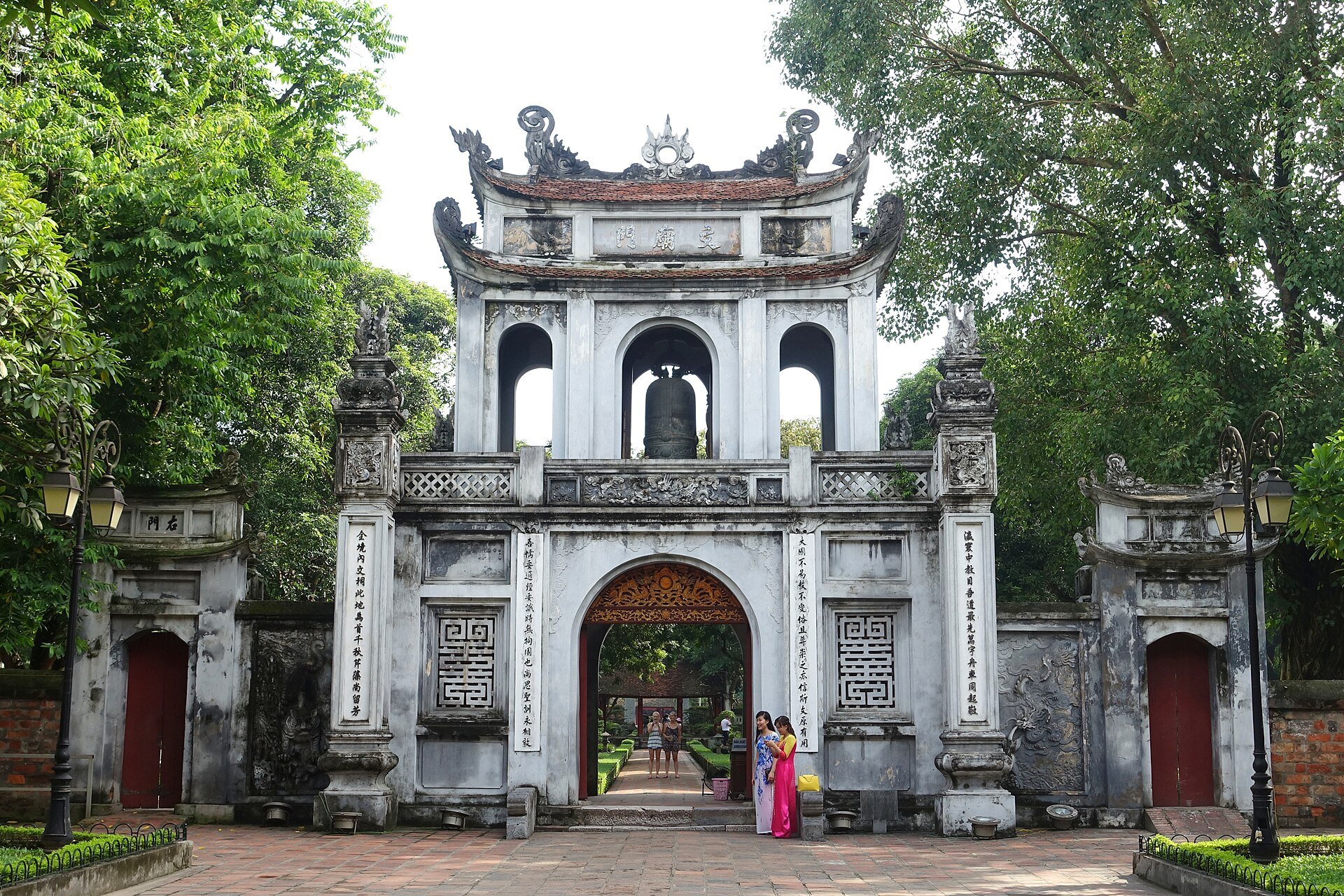
Van Mieu, founded in 1070 as a temple to Confucius, and from 1076 the site of the Quoc Tu Giam — the country’s first university, which trained the mandarinate for seven hundred years. Five walled courtyards run back from the street, one behind another, and the further in you go the quieter it gets.
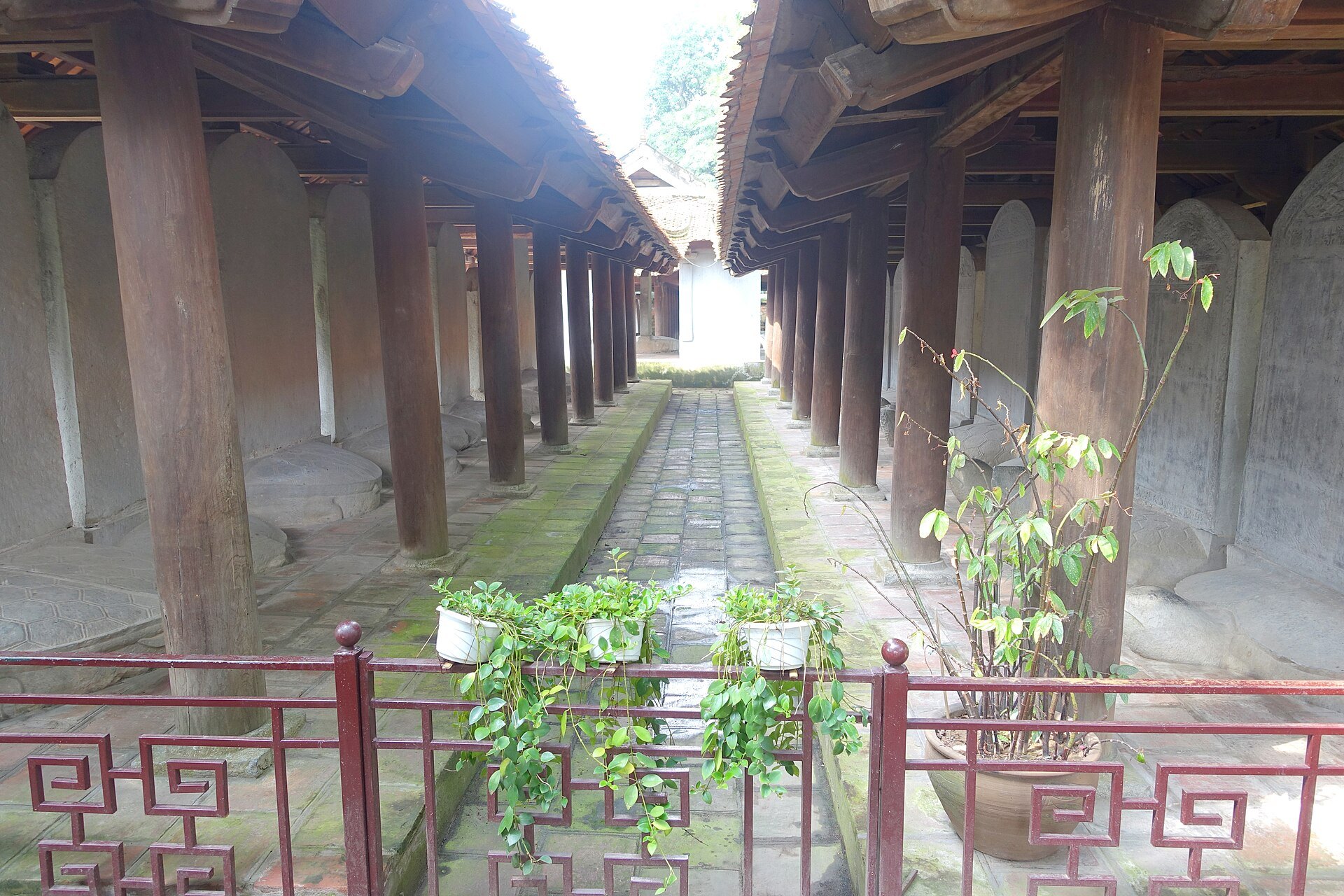
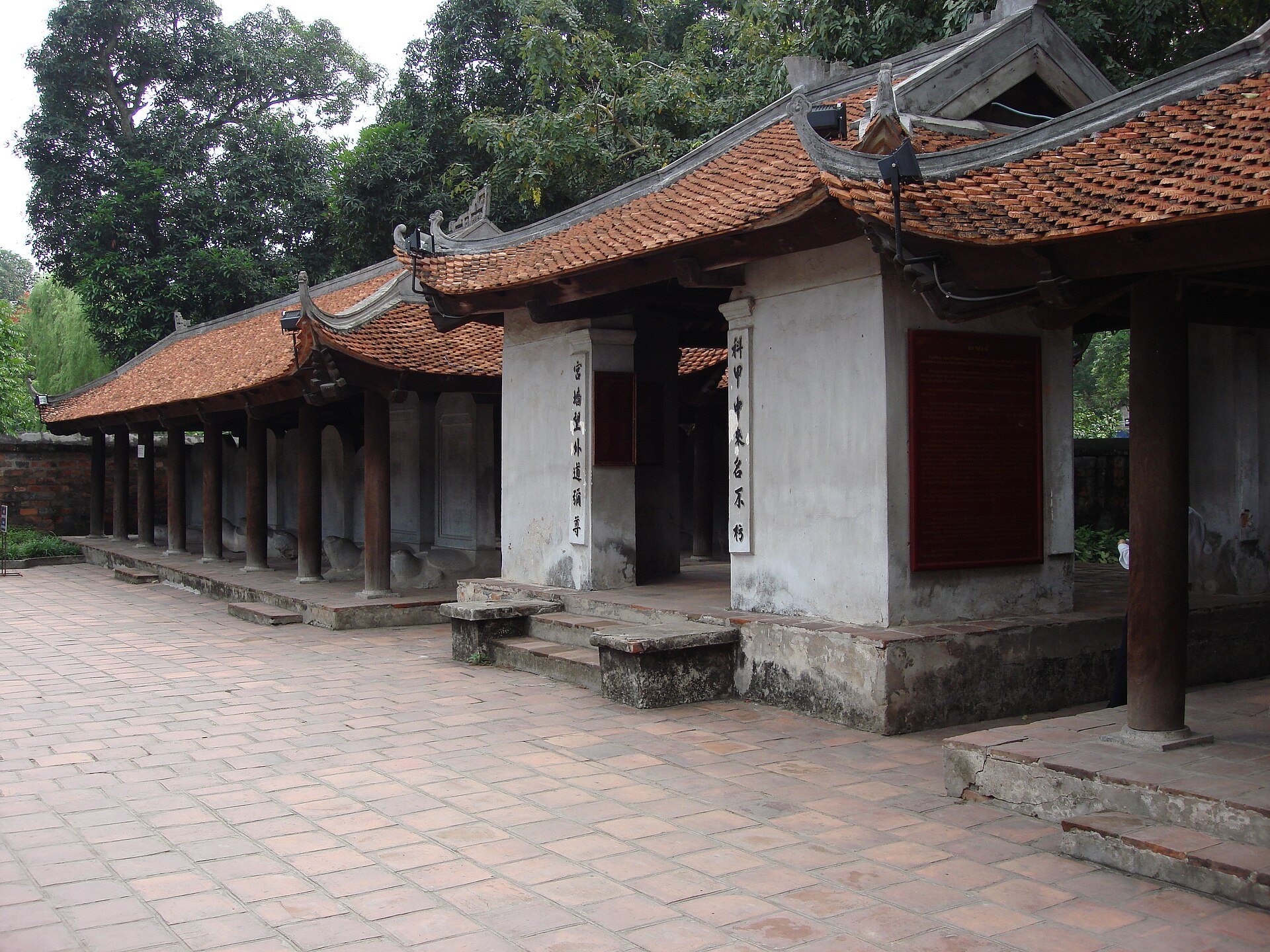
In the third courtyard stand eighty-two stone stelae carried on the backs of tortoises, each one listing the men who passed the doctoral examinations between 1442 and 1779. They are on the UNESCO Memory of the World register, and they are the single best thing in Hanoi.
What it costs
Ticketed at the gate; the fee is modest and there is a student rate. An evening opening with lighting has run at some periods — ask on the day rather than relying on a schedule.
When to go
⭐ First thing, before the coach groups. In May and June it fills with graduating students in gowns being photographed at the stelae, which is a good thing to walk into rather than a problem.

Getting there
About twenty-five minutes’ walk south-west of the lake, or ten minutes by car. It is a natural pair with the Imperial Citadel, which is fifteen minutes north.

If you only have an hour
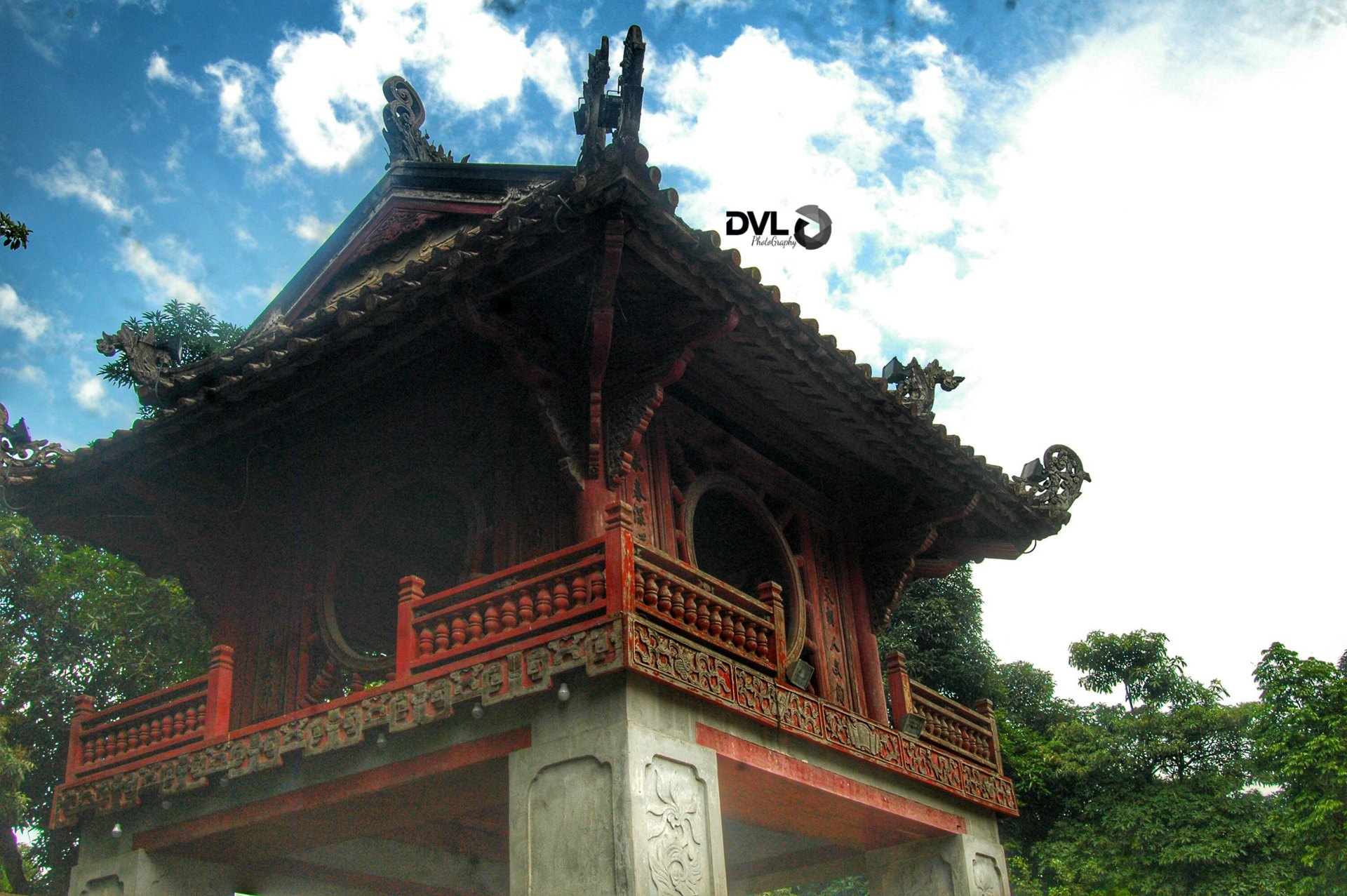
Go straight through to the third courtyard for the stelae and the well, then the Khue Van Cac pavilion on the way back out — it is the two-storey gate with the round windows, the symbol of Hanoi, and the building on the 100,000-dong note in your pocket.
What people get wrong
⚠️ Do not rub the tortoises. Touching the stelae for luck is why they are now railed off, and the carving on the most-handled ones is visibly gone.
.jpg)
Nearby
Admissions, closing days and dress rules as published and checked on 7 September 2026. These change without much warning — confirm with the place itself before you travel. More sights, and how they fit together, in Landmarks & Sights.